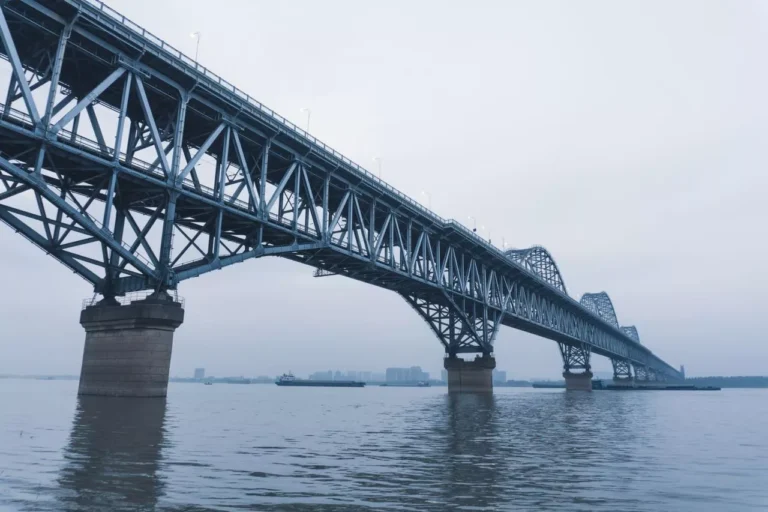

AECOM has been appointed as the lead design consultant for Stage 2 of the New Richmond Bridge project, a significant transport infrastructure initiative that will improve connectivity, enhance flood resilience, and support long-term growth in New South Wales. Working alongside Transport for New South Wales (Transport for NSW) and lead construction contractor Fulton Hogan, AECOM will provide comprehensive design services for a new bridge crossing over the Hawkesbury River at North Richmond.
The project represents a major investment in one of the region’s most important transport links, addressing longstanding challenges associated with flooding, traffic congestion, and increasing travel demand. Once completed, the new bridge will provide a safer, more reliable crossing for residents, businesses, and visitors while preserving the historic Richmond Bridge for pedestrian and cycling use.
The appointment further strengthens AECOM’s role in delivering complex infrastructure projects across Australia and reflects the company’s extensive experience in designing resilient transport networks capable of meeting both current and future community needs.
The New Richmond Bridge project has been developed in response to the growing demand for a more dependable river crossing that remains operational during severe weather events. The existing Richmond Bridge has historically served as a vital connection across the Hawkesbury River but is frequently affected by flooding, disrupting travel, limiting emergency access, and impacting local businesses and communities.
To address these challenges, the new bridge will be constructed approximately 10 metres higher than the existing structure, significantly improving its resilience against major flood events. The elevated design will allow the crossing to remain accessible during periods of high water, reducing the frequency of road closures and ensuring more reliable transport connections throughout the region.
Flood resilience has become an increasingly important consideration for infrastructure projects across Australia, particularly in areas that have experienced repeated flooding in recent years. By incorporating higher design standards and modern engineering solutions, the New Richmond Bridge aims to provide a long-lasting transport asset capable of withstanding extreme weather conditions while supporting the region’s future development.
AECOM’s multidisciplinary team will lead the engineering and design process, drawing on expertise across bridge engineering, structural design, transportation planning, environmental management, urban design, and construction delivery. The company will work closely with Transport for NSW and Fulton Hogan throughout the project’s development to ensure the bridge meets technical, environmental, and community requirements.
Julian Small, Managing Director for Transportation at AECOM in Australia and New Zealand, emphasized that bridges represent far more than physical transport links. He explained that they are enduring examples of engineering excellence, combining advanced science, innovative design, and resilient construction techniques to withstand natural forces while connecting communities, economies, and regions.
According to Small, AECOM’s experienced bridge specialists are committed to delivering technically advanced infrastructure that will provide dependable connectivity for generations while supporting sustainable regional growth and improving the daily travel experience for local residents.
The new bridge has been designed to accommodate future increases in traffic resulting from continued population growth across Western Sydney and surrounding areas. It will feature two traffic lanes in each direction, significantly increasing road capacity compared with the existing crossing.
This additional capacity will improve traffic flow, reduce travel delays, and enhance road safety by accommodating higher vehicle volumes more efficiently. The bridge also forms part of a broader transport strategy aimed at supporting long-term urban development while strengthening links between local communities and Sydney’s wider road network.
Another important component of the project is the construction of a new bypass south of Richmond town centre. The bypass will divert through traffic away from local streets, easing congestion in the town centre and creating a safer, more accessible environment for residents, businesses, and visitors.
By reducing traffic volumes within Richmond, the project is expected to improve travel times, lower vehicle emissions associated with congestion, and enhance the overall efficiency of the regional transport network. The improved traffic distribution will also contribute to safer road conditions by reducing conflicts between local and through traffic.
While the project introduces a modern bridge designed for future transport demands, it also places significant emphasis on preserving the area’s historical heritage. Rather than replacing the existing Richmond Bridge entirely, the project includes plans to repurpose the historic structure as a dedicated shared pathway for pedestrians and cyclists.
Once motor vehicle traffic has been transferred to the new crossing, the original bridge will be transformed into an active transport corridor, creating a safe and attractive route for walking, cycling, and recreational use across the Hawkesbury River.
Rezarta Rushitaj, Design Manager for the project and AECOM’s Technical Excellence Leader for Transportation in Australia and New Zealand, described the opportunity as both professionally rewarding and highly meaningful for the local community.
She noted that the project will not only improve transport infrastructure but also preserve and celebrate the heritage value of the existing Richmond Bridge. By removing regular vehicle traffic, the bridge can become a welcoming public space that encourages walking and cycling while maintaining its historical significance for future generations.
The conversion of the existing bridge aligns with broader government objectives to promote active transportation and healthier lifestyles while reducing dependence on private vehicles. Dedicated pedestrian and cycling infrastructure provides safer travel options, encourages recreational activity, and contributes to more sustainable urban mobility.
The shared pathway will also include a range of public amenities designed to enhance the visitor experience. Plans include lookout platforms and rest areas where pedestrians and cyclists can stop to enjoy panoramic views of the Hawkesbury River and the surrounding natural landscape.
These features are expected to transform the bridge into more than simply a transport route, creating a community destination that encourages outdoor recreation, tourism, and social interaction. The active transport connection will also improve accessibility to nearby Hannah Park, strengthening links between recreational facilities and surrounding neighborhoods.
Beyond its transportation benefits, the New Richmond Bridge project is expected to deliver substantial economic and social value across the Hawkesbury region. Improved flood resilience will reduce disruption during severe weather events, helping businesses maintain operations while ensuring residents retain access to essential services, schools, healthcare facilities, and emergency response routes.
The project is also anticipated to reduce traffic congestion, lower accident risks, improve travel reliability, and strengthen connections between regional communities and metropolitan Sydney. These improvements will support economic development by facilitating more efficient movement of people and goods while enhancing the attractiveness of the region for future residential and commercial investment.
Environmental sustainability has also been integrated into the project’s design approach, with careful consideration given to minimizing environmental impacts during construction and preserving the surrounding river environment. Modern engineering techniques, efficient construction methodologies, and environmentally responsible design practices will help deliver infrastructure that balances performance with environmental stewardship.
As lead design consultant, AECOM will continue collaborating closely with Transport for NSW, Fulton Hogan, stakeholders, and the local community throughout Stage 2 of the project. This collaborative approach will ensure the final design addresses technical requirements while reflecting community priorities and supporting long-term regional development.
Upon completion, the New Richmond Bridge will stand as a modern, resilient transport asset that improves safety, reduces congestion, strengthens flood resilience, preserves important local heritage, and creates new opportunities for active travel. By combining advanced engineering with thoughtful urban planning, the project will deliver lasting benefits for the Hawkesbury community while supporting sustainable economic growth and improved connectivity across New South Wales for decades to come.
Source Link:https://aecom.com/