
Apartments.com and CoStar Group have released updated projections for the U.S. multifamily housing market, revising expectations for both apartment vacancy rates and rent growth as economic uncertainty and elevated housing supply continue to shape market conditions.
According to the latest forecast, national multifamily vacancy rates are expected to rise further through the remainder of 2026 before gradually improving over the following year. Analysts now estimate that vacancy will reach approximately 8.8% by the end of 2026, reflecting ongoing supply pressures across many apartment markets nationwide. The vacancy rate is then projected to ease modestly to 8.4% by the end of 2027 as excess inventory begins to stabilize and demand gradually catches up with supply.
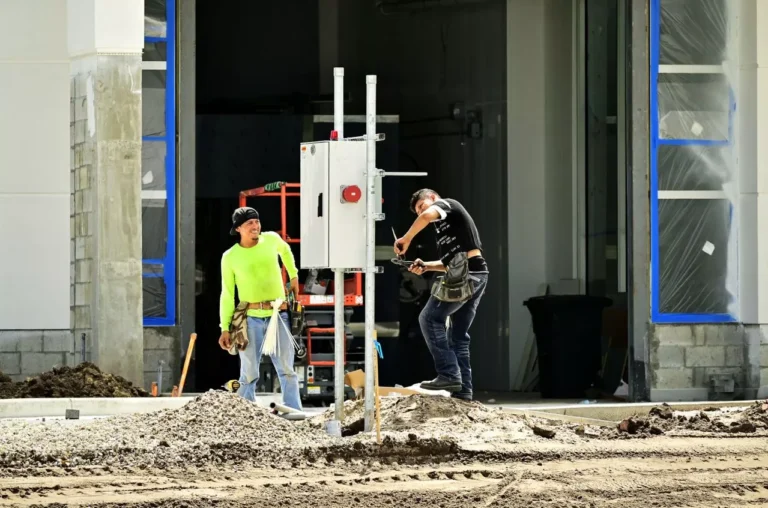
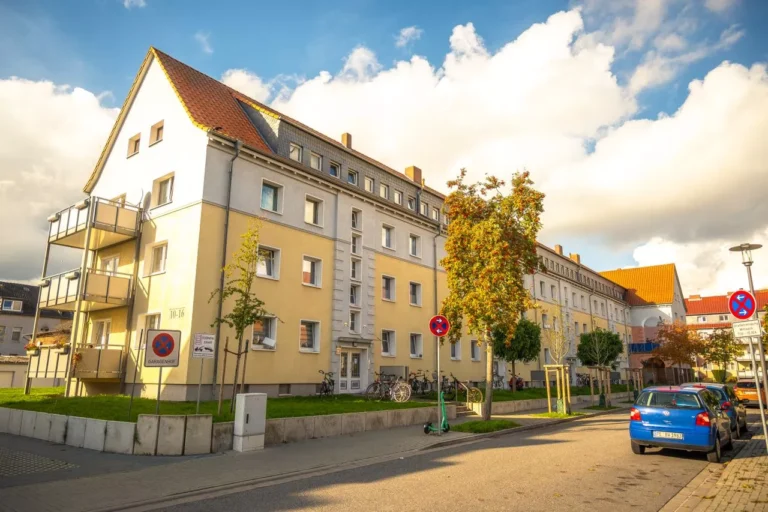
The revised outlook highlights the continued impact of one of the largest multifamily construction cycles in recent years. Over the past two years, developers have delivered a substantial number of new apartment units across major U.S. markets, increasing competition among property owners and creating downward pressure on occupancy and rental pricing in certain regions.
At the same time, Apartments.com and CoStar analysts believe that the pace of rent growth will remain relatively modest in the near term. The updated forecast projects apartment rent growth to increase from 0.2% in the first quarter of 2026 to 0.5% during the second quarter. This represents an upward revision of 10 basis points compared to the previous forecast, signaling slightly improved short-term conditions in the rental market.
However, expectations for later in the year have been adjusted downward. The forecast for fourth-quarter rent growth was revised from 0.6% to 0.5%, reflecting concerns about broader economic conditions and the ongoing challenge of absorbing excess apartment inventory across the country.
The updated projections underscore the balancing act currently facing the multifamily housing sector. While demand for rental housing remains relatively stable, the market continues to absorb a significant volume of newly completed units. This has resulted in increased concessions, slower rent growth, and higher vacancy levels in several metropolitan areas.
Grant Montgomery explained that first-quarter rent performance generally aligned with industry expectations, supporting the decision to maintain the near-term growth outlook.
“The near-term rent growth outlook was maintained after modest first-quarter rent trends fell in line with expectations,” Montgomery said.
Despite the relatively stable near-term forecast, Montgomery noted that conditions for the second half of 2026 appear less favorable due to a combination of economic and market-related factors.
“Projections for the second half of 2026 were lowered due to softer employment assumptions and the sizeable backlog of excess inventory accumulated across the last two years, which must be absorbed before market conditions can meaningfully tighten,” he explained.
The large volume of multifamily development activity has become one of the defining characteristics of the current apartment market cycle. In many fast-growing metropolitan areas, developers accelerated construction in response to strong post-pandemic demand, population growth, and historically high rental pricing. While this construction boom helped increase housing supply, it has also created temporary oversupply conditions in several markets.
Industry analysts say the current inventory imbalance is likely to take time to normalize. As more renters move into newly completed units and construction activity slows, vacancy rates could gradually stabilize. However, this process may extend into 2027 or beyond depending on local market conditions and broader economic performance.
Economic uncertainty is also playing an increasingly important role in shaping multifamily market expectations. Analysts cited concerns about consumer spending, labor market growth, and broader macroeconomic pressures as factors contributing to the softer outlook.
Montgomery noted that the “balance of risks” for the multifamily market continues to lean toward the downside. Rising energy costs, slowing job growth, and evolving trade policies are all expected to affect renter demand and overall economic momentum.
“A near-term energy price spike has eroded consumer spending power,” Montgomery said. “Economists have downgraded employment growth expectations due to significant changes in U.S. tariff policy, slower labor force growth, and increased productivity that allows output to expand with fewer new hires.”
Slower employment growth is particularly important for the apartment sector because job creation is one of the primary drivers of rental housing demand. When hiring slows, household formation can weaken, reducing the number of renters entering the market and making it more difficult for landlords to increase rents or maintain high occupancy levels.
In addition, broader affordability concerns continue to influence renter behavior. While rent growth has moderated compared to the rapid increases seen during earlier post-pandemic years, many households are still managing elevated living costs, including utilities, transportation, and everyday consumer expenses. This environment has encouraged renters to prioritize affordability and delay moves, contributing to softer leasing activity in some markets.
Despite these near-term challenges, many industry observers remain cautiously optimistic about the long-term outlook for multifamily housing. Demographic trends, including continued demand from younger renters and limited single-family housing affordability, are expected to support the rental market over time.
The updated forecast from Apartments.com and CoStar reflects a market in transition — one balancing strong long-term fundamentals with short-term economic and supply-related pressures. As the industry works through excess inventory and adapts to evolving economic conditions, apartment owners, developers, and investors will continue closely monitoring employment trends, consumer spending patterns, and construction activity for signs of future market stabilization.
For now, the revised outlook suggests that while rent growth may remain positive, the multifamily sector is likely to face continued competitive pressure and elevated vacancy levels through much of the coming year before conditions gradually improve.
Source Link:https://www.businesswire.com/