
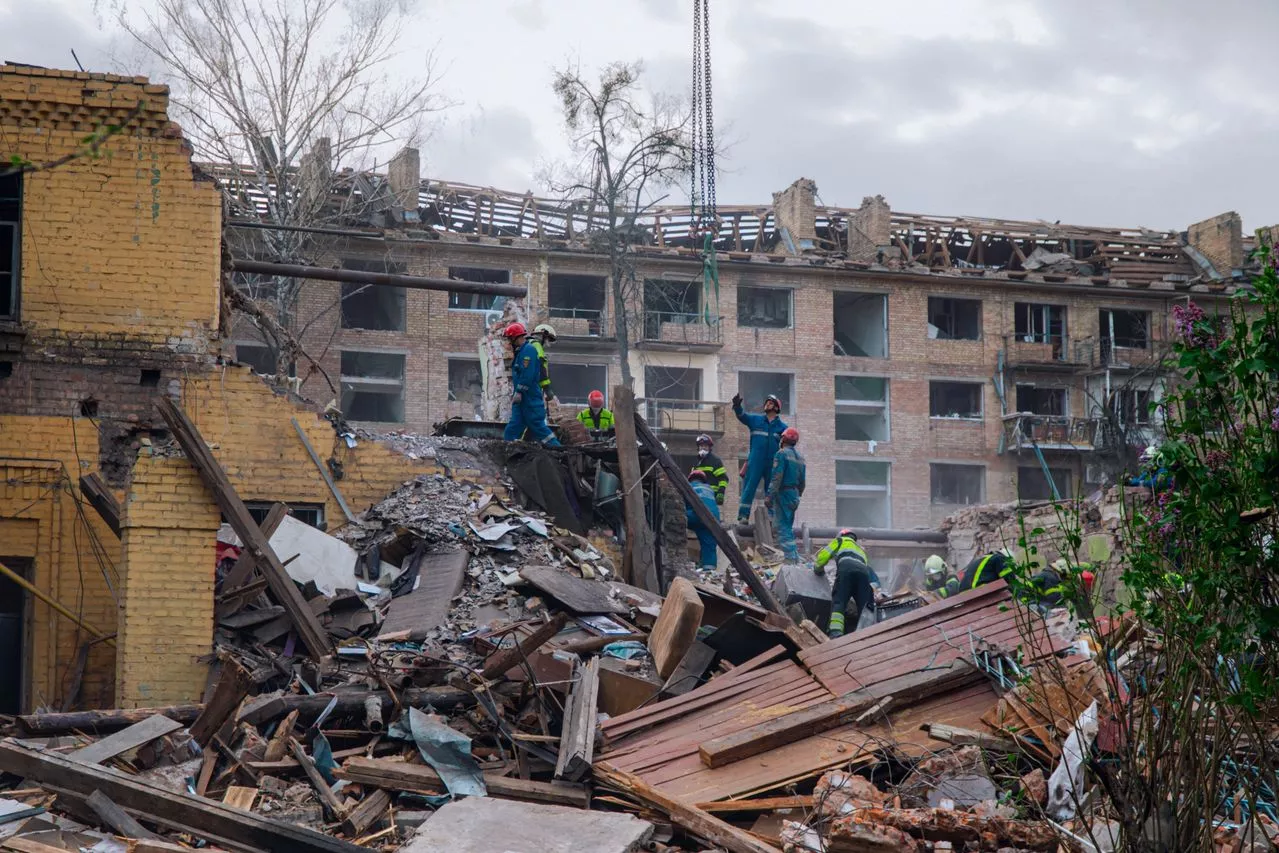
California has introduced a new Disaster Rebuilding Assistance Program designed to help homeowners whose primary residences were damaged or destroyed by qualifying disasters access financing to rebuild their homes and remain in their communities.
Following Governor Gavin Newsom’s announcement of the program, the California Housing Finance Agency (CalHFA), which is administering the initiative, released additional details about how the program will support disaster survivors as they move from immediate recovery toward reconstruction.
The new program is intended to address one of the major challenges facing disaster survivors: securing affordable construction financing. Rebuilding a home can involve significant costs, while traditional construction loans may be difficult for some homeowners to obtain following a disaster.
“Many families are still navigating the challenges and trauma that follow the loss of a home,” said CalHFA Executive Director Tony Sertich. “The state is here to support their recovery and help them rebuild their homes and communities.”
The Disaster Rebuilding Assistance Program provides financing tools designed to improve access to construction loans. Among these tools are interest rate buydowns and loan-loss guarantees.
Interest rate buydowns use upfront financial assistance to reduce the interest costs associated with a borrower’s loan. By lowering the effective cost of borrowing, the assistance can help eligible homeowners manage the financing required to reconstruct their properties.
Loan-loss guarantees are another component of the program. These guarantees are intended to reduce lenders’ risks, potentially allowing participating financial institutions to provide construction financing to a broader range of eligible disaster survivors.
CalHFA developed the program in collaboration with community organizations and lending partners as part of California’s broader disaster recovery efforts. The initiative is backed by $100 million in state funding, which CalHFA says can support a substantially larger volume of construction lending.
The program represents a transition from short-term disaster assistance toward longer-term housing recovery. While emergency programs can help families address immediate needs after a disaster, rebuilding requires financing, construction planning, permitting and coordination with lenders and contractors.
CalHFA has already provided other forms of support to disaster survivors. Through the CalAssist Mortgage Fund, the agency has helped cover mortgage payments during the early stages of recovery, providing homeowners with additional financial support while they address the consequences of property damage or destruction.
Under the Disaster Rebuilding Assistance Program, homeowners will work directly with participating construction lenders when applying for construction financing. CalHFA approves lenders after they complete an onboarding process and meet the program’s requirements.
A current list of participating construction lenders is available through CalHFA’s Disaster Rebuilding Assistance Program resources. The list is expected to be updated as additional lenders complete the required process and join the program.
Construction lenders and Community Development Financial Institutions (CDFIs) interested in participating can review CalHFA’s lender requirements and application process through the agency’s website.
For homeowners, eligibility depends on several requirements. The program is intended primarily to assist low- and moderate-income homeowners, although specific income limits vary according to the county and the type of loan involved. Homeowners who believe they may qualify are encouraged to speak directly with a participating lender to determine their eligibility.
One key requirement is that the homeowner’s primary residence must have been damaged or destroyed by a qualified disaster occurring between January 1, 2023, and January 8, 2025. This includes qualifying disasters such as the 2025 Los Angeles fires identified under the program.
Eligible homeowners must also currently own the affected property and must have lived at the property when the qualifying disaster occurred.
The program is focused on helping eligible homeowners reconstruct residential properties. Eligible rebuilding projects may include single-family homes, planned unit developments, condominiums, one- to four-unit properties and permanently affixed manufactured homes.
Any rebuilt property must comply with applicable local zoning requirements. Homeowners will therefore need to consider local building, planning and permitting requirements as they develop their reconstruction plans.
Rebuilding after a disaster can be a lengthy process. Homeowners may need to coordinate financing, architects, contractors, permits, insurance proceeds and other sources of assistance before construction can begin.
CalHFA recommends that homeowners interested in the program review the available information and speak with a participating lender to understand the financing process and determine which options may be available to them.
Working with an approved lender can help homeowners understand the construction loan requirements, income limits, documentation and other conditions associated with the program. Lenders can also explain how the program’s financial assistance mechanisms may apply to an individual rebuilding project.
The launch of the Disaster Rebuilding Assistance Program comes as communities affected by major disasters continue the long process of rebuilding homes and local infrastructure. For many homeowners, restoring a damaged or destroyed residence is not only a financial challenge but also an important part of returning to established communities.
By using state funding to support construction lending, CalHFA aims to expand financing opportunities for eligible disaster survivors. The combination of interest rate assistance and lender risk protections is intended to make construction financing more accessible while supporting the broader recovery of affected communities.
Homeowners considering reconstruction should begin by reviewing the program’s eligibility requirements and available lending options. Because eligibility and income limits can vary, CalHFA recommends contacting a participating construction lender before beginning the application process.
As additional lenders join the initiative, the list of available participating institutions will continue to be updated. The program therefore provides disaster survivors with another potential financing resource as they move from recovery toward rebuilding their homes and communities.
Source Link:https://www.businesswire.com/