
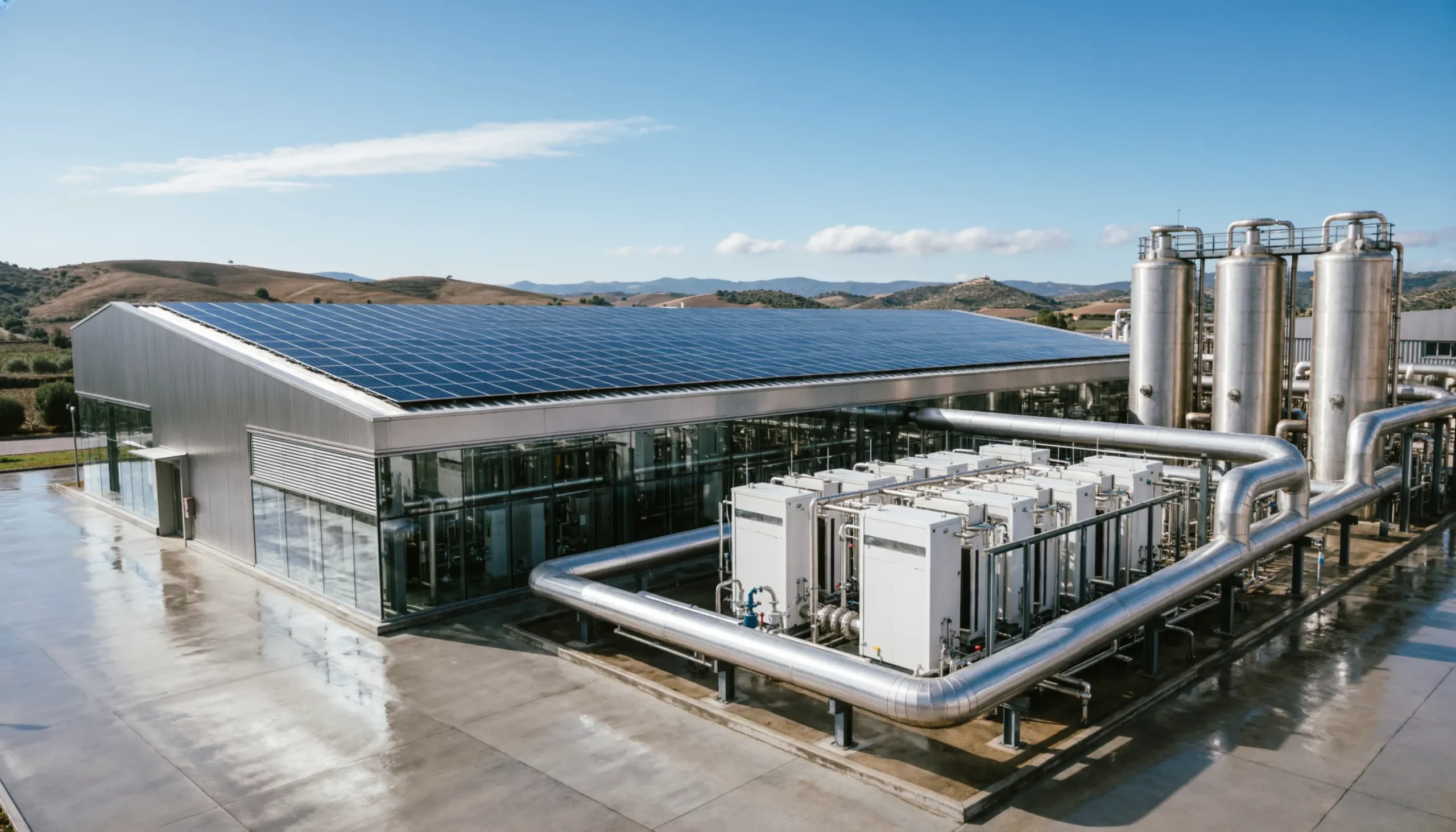
Hydnum Steel has reached a defining milestone in its ambition to develop Spain’s first large-scale clean steel facility. The company has officially secured access to 500 megawatts (MW) of electrical capacity at the Brazatortas grid node in the province of Ciudad Real. This allocation, formally published in Spain’s Official State Gazette, provides the level of energy supply required to operate the company’s planned electric arc furnace (EAF) and related production infrastructure.
This grid access represents far more than a technical authorization. It confirms institutional backing for a transformative industrial initiative that aims to reshape steel manufacturing in Spain and across the Iberian Peninsula. By securing reliable and substantial renewable power capacity, Hydnum Steel has taken a decisive step toward turning its clean steel vision into a fully operational industrial reality.
The Brazatortas node was selected strategically due to its grid capacity and regional development potential. With this concession in place, the company can now advance toward the next phases of engineering, procurement, and construction planning with confidence that its long-term energy needs will be met. For a project centered on decarbonization and electrification, guaranteed grid access is a cornerstone achievement.
Hydnum Steel’s upcoming facility will be a fully digitally integrated steel plant designed from the ground up to prioritize efficiency, sustainability, and advanced manufacturing practices. Unlike traditional blast furnace-based production routes that rely heavily on coal and coke, the plant will utilize electric arc furnace technology powered entirely by renewable electricity.
The facility will focus on producing hot-rolled steel coils, a vital material for a wide range of downstream industries, including automotive, construction, infrastructure, renewable energy equipment, and heavy manufacturing. By embedding digital monitoring and automation systems across operations, the plant aims to optimize energy use, improve process precision, and enhance product quality while reducing operational waste.
The integration of digital technologies will also enable predictive maintenance, advanced analytics, and transparent supply chain management. These capabilities are increasingly essential for customers who require traceable, low-carbon materials as part of their own sustainability commitments. Hydnum Steel’s approach aligns with Europe’s broader push toward Industry 4.0 standards in heavy industry.
A central objective of the project is to provide steel-consuming industries with access to low-emission flat steel products that help them reduce their carbon footprint. Many sectors across Europe are under mounting regulatory and market pressure to decarbonize production processes. The availability of clean steel is therefore critical for meeting emissions targets under European climate policies.
Hydnum Steel’s plant will supply flat steel products that are currently in structural short supply within the European Union. Today, European countries collectively import nearly 11 million tons of steel annually to meet demand. This reliance on imports not only exposes industries to global supply chain volatility but also often involves materials produced using carbon-intensive methods outside the EU.
By establishing domestic clean steel production capacity, Hydnum Steel aims to strengthen European industrial sovereignty while supporting climate objectives. Its production model will offer manufacturers a viable pathway to reduce Scope 3 emissions embedded in purchased raw materials. This is particularly important for automotive OEMs, appliance manufacturers, renewable energy developers, and infrastructure contractors seeking low-carbon inputs.
The project’s development plan is structured in phases to ensure scalability and long-term competitiveness. In its inaugural phase, the plant is expected to produce approximately 1.5 million tons of steel annually. This initial capacity will allow Hydnum Steel to establish market presence, stabilize operations, and build long-term customer partnerships.
Future expansion phases are designed to raise total annual output to approximately 2.7 million tons. This projected scale would position the company as a significant contributor to Europe’s flat steel supply, particularly within the clean and renewable-powered segment. The phased strategy also allows for technological enhancements and operational optimization as the facility matures.
Construction of the plant is scheduled to begin in 2026. The total planned investment exceeds €1.5 billion, underscoring the project’s magnitude and strategic importance. This level of capital commitment signals strong confidence in long-term demand for low-carbon steel and in the competitiveness of renewable-powered electric arc furnace operations.
Beyond environmental considerations, the Hydnum Steel project is expected to generate substantial economic benefits for the region of Ciudad Real and the broader Spanish economy. During its initial phase, the company anticipates creating more than 400 direct jobs across engineering, operations, maintenance, logistics, and administrative functions.
As the plant expands toward its full projected capacity, direct employment is expected to exceed 1,000 positions. In addition to these direct roles, the project will stimulate indirect job creation across construction, equipment supply, transportation, maintenance services, and local support industries. The multiplier effect of such a large-scale industrial investment can significantly strengthen regional economic resilience.
The plant’s presence may also attract complementary industries and suppliers to the area, fostering the development of an industrial cluster centered on sustainable manufacturing and advanced materials. This clustering effect could further enhance innovation, workforce development, and long-term competitiveness in the region.
The approval process for grid access falls under the oversight of Spain’s Ministry for Ecological Transition. In evaluating proposals, the Ministry prioritizes projects that demonstrably reduce greenhouse gas emissions, contribute to energy transition objectives, and align with national climate targets.
Hydnum Steel’s proposal scored strongly in these areas. By committing to operate entirely on renewable electricity and eliminating fossil fuels from its core production process, the plant is designed to achieve an estimated 98 percent reduction in emissions compared to a conventional blast furnace steel mill. This dramatic reduction underscores the transformative potential of electrified steel production.
In addition to environmental performance, authorities also consider factors such as investment scale, project maturity, and projected start date when allocating grid capacity. Hydnum Steel’s substantial financial commitment and clear construction timeline reinforced the credibility of its proposal. The 2026 construction start date demonstrates readiness to move from planning to execution within a defined timeframe.
The concession of 500 MW at the Brazatortas node represents a pivotal development for both Hydnum Steel and Spain’s industrial landscape. Reliable, high-capacity access to renewable power is essential for operating energy-intensive electric arc furnaces at scale. With this requirement now secured, the project transitions from conceptual ambition to practical implementation.
The plant is poised to become a landmark example of how traditional heavy industry can be reimagined for a low-carbon future. By combining renewable energy, digital integration, scalable production, and strong institutional alignment, Hydnum Steel is positioning itself as a key player in Europe’s evolving steel market.
As global demand for sustainable materials continues to rise, the company’s clean steel initiative reflects a broader structural shift in manufacturing. The project demonstrates how environmental responsibility, industrial competitiveness, and economic development can converge within a single strategic investment.
The original source-language text of this announcement remains the official and authoritative version. Any translated versions are provided for convenience and should be cross-referenced with the source-language document, which alone carries legal validity.
Source Link: https://www.businesswire.com/