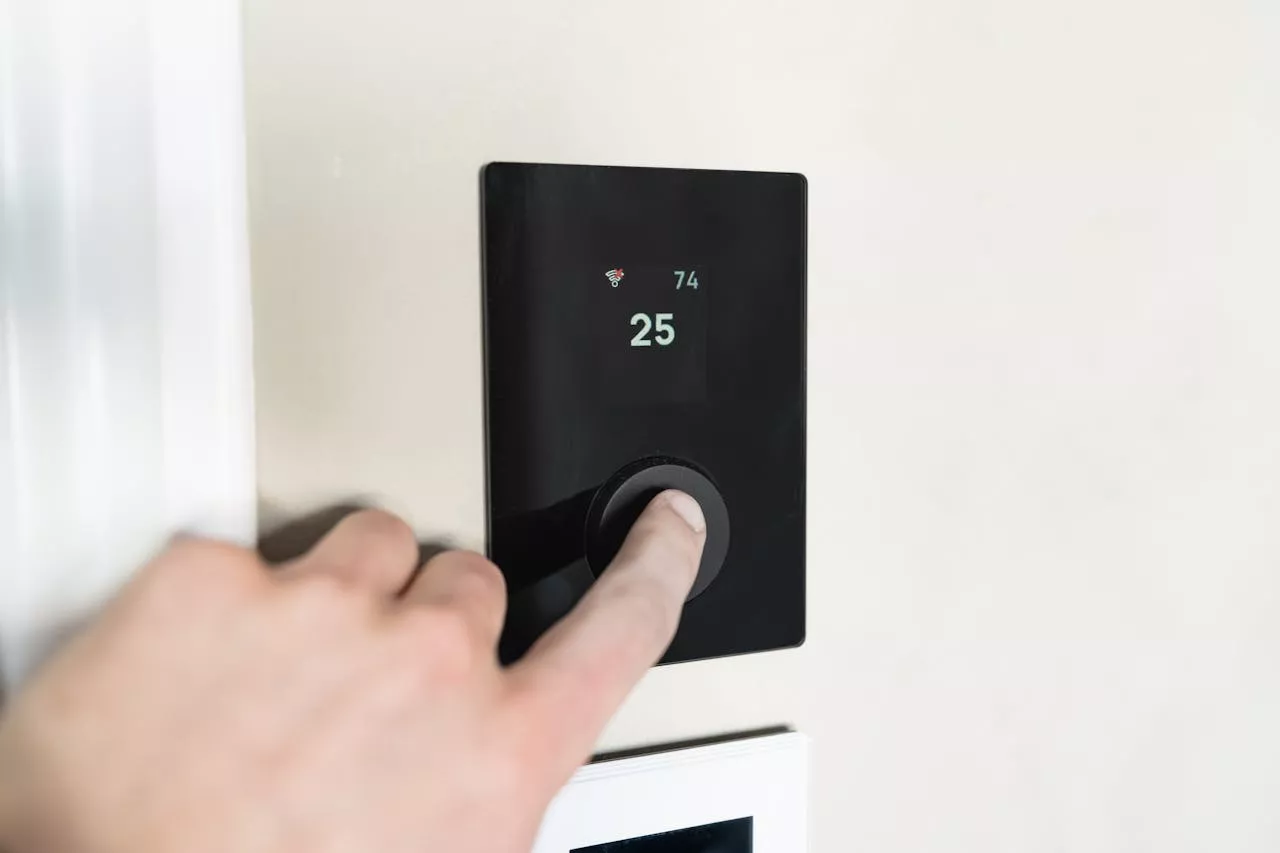
SmartRent, a leading provider of smart community and property operations technology for the rental housing industry, has announced the launch of Climate Protection Mode, an innovative feature designed to help multifamily property owners safeguard assets from environmental risks. Built into the company’s Alloy SmartHome Hub+ and Alloy Fusion thermostat platforms, the new technology is designed to automatically respond to dangerous temperature and humidity conditions before they result in significant property damage.
The introduction of Climate Protection Mode comes at a time when multifamily housing operators are facing increasing financial pressure from rising insurance costs and weather-related property losses. As insurance premiums continue to climb across the industry, property owners and managers are actively seeking technology-driven solutions that can help reduce risk, prevent damage, and protect long-term asset value.
Climate Protection Mode was developed as a proactive safeguard against some of the most common and costly causes of property damage in residential communities, including burst pipes, mold growth, excess moisture, and water-related incidents caused by extreme environmental conditions. Unlike traditional thermostat programming, which primarily focuses on resident comfort and energy management, the new feature serves as an emergency protection layer that operates in the background.
The system remains inactive during normal operating conditions and does not interfere with residents’ preferred temperature settings. However, when environmental conditions reach potentially dangerous levels, the technology automatically activates to restore safe climate conditions within a unit.
Specifically, Climate Protection Mode is programmed to respond when indoor temperatures drop below 42 degrees Fahrenheit, rise above 98 degrees Fahrenheit, or when indoor humidity levels exceed 80 percent. Once any of these thresholds are reached, the system automatically adjusts the environment to prevent conditions that could lead to structural damage, equipment failure, or costly repairs.
According to SmartRent, the feature was designed to function as a secondary layer of protection, ensuring that buildings remain safeguarded even when heating or cooling systems have been accidentally turned off, improperly configured, or neglected during maintenance periods.
Sangeeth Ponathil, Chief Information Officer at SmartRent, explained that the company’s goal was to create an automated risk-management solution that minimizes the need for manual oversight while helping operators avoid preventable losses.
He noted that Climate Protection Mode acts as an automated baseline for asset protection by embedding safety thresholds directly into the company’s hardware. This approach reduces the possibility of human error while enabling property owners to address potentially catastrophic situations before they affect operating performance or property value.
Importantly, the system was developed with resident privacy and autonomy in mind. Since it activates only during extreme environmental events, residents retain full control of their everyday thermostat settings and comfort preferences. The technology operates solely as a protective mechanism when unusual conditions threaten the safety of a property.
The financial implications of weather-related property damage can be substantial for multifamily operators. Industry estimates indicate that repairing a burst pipe at a multifamily community typically costs around $15,000. However, property owners frequently report losses ranging from $30,000 to $50,000, particularly in high-rise and mid-rise buildings where water damage can spread across multiple units and floors.
Beyond repair expenses, property managers often face additional costs associated with resident displacement, temporary housing arrangements, property restoration, and lost rental income. These secondary impacts can add thousands of dollars to the overall cost of a single incident, placing significant strain on operating budgets.
SmartRent estimates that operators incur an average of approximately $7,650 in additional losses per event due to resident relocation and rent interruptions. By helping prevent climate-related failures before they occur, Climate Protection Mode offers the potential to reduce both direct repair costs and indirect financial losses.
The technology may also provide benefits in the insurance marketplace. As insurers increasingly evaluate risk management practices when determining premiums and coverage terms, proactive asset-protection systems could help property owners demonstrate stronger risk controls and potentially improve insurability.
The launch of Climate Protection Mode is supported by real-world performance data from large multifamily portfolios. According to SmartRent, the feature has already been deployed by 20 enterprise customers across 54 properties, providing an extensive testing ground for the technology.
One major multifamily real estate investment trust (REIT) reported particularly significant results after implementing the system across a multi-state portfolio. During periods of extreme weather, Climate Protection Mode was automatically activated more than 1,200 times, helping prevent numerous climate-related incidents.
Based on internal estimates, those interventions helped avert approximately $6.7 million in potential property damage. The results highlight the growing value of automated building technologies that can identify risks and take corrective action before costly failures occur.
For multifamily operators, one of the most persistent challenges involves monitoring units that are vacant, undergoing maintenance, or transitioning between residents. During these periods, climate systems may be inadvertently switched off or left in settings that expose units to damaging conditions.
Traditionally, addressing these risks has required property management teams to conduct routine inspections and manual checks. While effective, these processes can be labor-intensive and difficult to scale across large portfolios, particularly when staffing resources are limited.
Ponathil emphasized that unnoticed climate risks often represent some of the most expensive threats facing multifamily communities. Vacant units, vendor turns, and maintenance periods can create blind spots that leave properties vulnerable to temperature fluctuations and humidity-related issues.
By automating climate monitoring and response functions, SmartRent’s solution helps reduce reliance on manual inspections while providing continuous protection around the clock. The technology enables maintenance teams to focus on higher-value operational tasks rather than routine climate checks.
As the multifamily housing sector continues to adopt smart building technologies, Climate Protection Mode represents another step toward more intelligent, resilient, and efficient property operations. By combining automation, predictive protection, and resident-friendly design, SmartRent aims to help property owners reduce risk, control costs, and preserve asset value in an increasingly challenging operating environment.
With rising insurance expenses, growing weather-related risks, and increasing demands for operational efficiency, technologies such as Climate Protection Mode are expected to play an increasingly important role in the future of multifamily property management.
Source Link:https://www.businesswire.com/