HOCHTIEF, together with its consortium partners, has been awarded the contract for the next phase of construction on Prague’s Metro Line D—one of the most significant infrastructure projects currently underway in Prague. The project is being delivered on behalf of the Prague Public Transport Company and represents a major step forward in the city’s long-term mobility strategy.
The newly awarded contract carries a total value of approximately €1.23 billion, with HOCHTIEF’s share amounting to around €428 million. This substantial investment reflects the scale and complexity of the project, which is designed to modernize Prague’s public transportation network and accommodate the city’s growing population and evolving mobility needs.
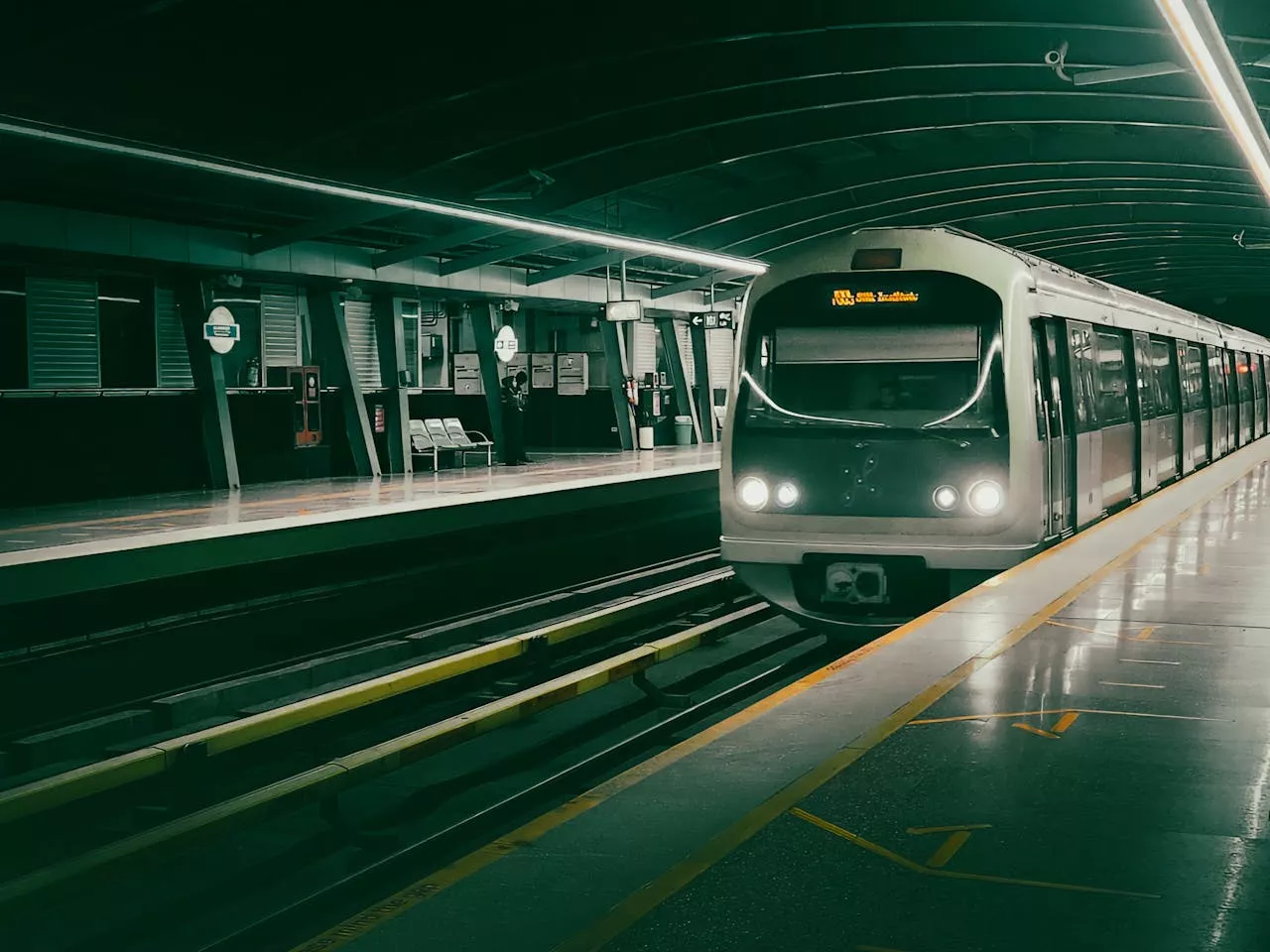
This phase of the project includes the construction of three new underground metro stations, along with multiple tunnel sections spanning nearly six kilometers in total length. These additions will significantly expand the reach of the metro system, improving connectivity between key districts and reducing travel times for commuters. The infrastructure will also be built to support advanced, fully automated train operations, marking a major technological upgrade for the city’s transit network.
Juan Santamaría, Chief Executive Officer of HOCHTIEF, emphasized the importance of the project in shaping Prague’s future transportation landscape. He noted that Metro Line D will play a critical role in enhancing urban mobility and supporting sustainable growth. Santamaría also highlighted the company’s pride in continuing its collaboration with the Prague Public Transport Company, particularly in delivering what will become the city’s first fully automated metro line.
The development of Metro Line D is part of a broader effort to modernize Prague’s infrastructure and reduce reliance on road-based transportation. By expanding the metro network, the city aims to alleviate congestion, lower emissions, and provide residents with more efficient and reliable travel options. The introduction of automation is expected to further improve service frequency, safety, and operational efficiency.
Construction work for this phase is scheduled to begin in the coming weeks, signaling the transition from planning to active development. The timeline for completion is set for 2032, reflecting the extensive scope of the work involved. This phase follows the earlier stage of the Metro Line D project, in which HOCHTIEF has already been actively involved. The first phase is currently progressing and is expected to be completed by 2029.
The continuity of HOCHTIEF’s involvement across multiple phases of the project underscores the company’s expertise in delivering large-scale, complex infrastructure projects. It also highlights the trust placed in the consortium by local authorities to execute critical components of Prague’s transportation expansion.
From an engineering perspective, the construction of underground metro systems presents a range of challenges, including geological conditions, urban density, and the need to minimize disruption to existing infrastructure. The inclusion of multiple stations and extensive tunnel sections adds further complexity, requiring advanced construction techniques and careful coordination among all stakeholders.
In addition to its technical aspects, the project is expected to deliver significant economic and social benefits. Large infrastructure developments of this scale typically generate employment opportunities, support local businesses, and contribute to long-term economic growth. Improved public transportation can also enhance quality of life by providing faster, more convenient access to jobs, education, and services.
Metro Line D is particularly important for connecting underserved areas of Prague, helping to balance development across the city. By extending the metro network into new مناطق, the project will encourage urban growth in a more sustainable and organized manner. This aligns with broader urban planning goals aimed at creating a more resilient and livable city.
The adoption of fully automated metro technology represents a forward-looking approach to public transportation. Automated systems can operate with greater precision and efficiency, reducing the likelihood of human error and enabling more consistent service. For passengers, this translates into shorter wait times, smoother journeys, and an overall improved travel experience.
As cities around the world continue to invest in modern transit solutions, projects like Metro Line D serve as important examples of how infrastructure can be designed to meet future demands. By integrating advanced technology with robust engineering, Prague is positioning itself as a leader in urban mobility innovation.
In summary, the awarding of this contract marks a significant milestone in the development of Prague’s Metro Line D. With a strong partnership between HOCHTIEF and the Prague Public Transport Company, the project is set to deliver transformative improvements to the city’s transportation system. As construction begins and progresses over the coming years, the new line will play a vital role in shaping the future of mobility in Prague, supporting both economic growth and environmental sustainability.
Source Link:https://www.hochtief.com/