Historic Fort Bragg Homes Enter New Chapter Through Major Renovation
Nearly a century after some of the earliest permanent residences at Fort Bragg were constructed, the historic homes are beginning a new chapter through a major renovation and preservation program. Corvias and the U.S. Army recently marked the milestone with a ribbon-cutting ceremony and tour of the first residence among 21 historic homes being renovated and returned to active service.
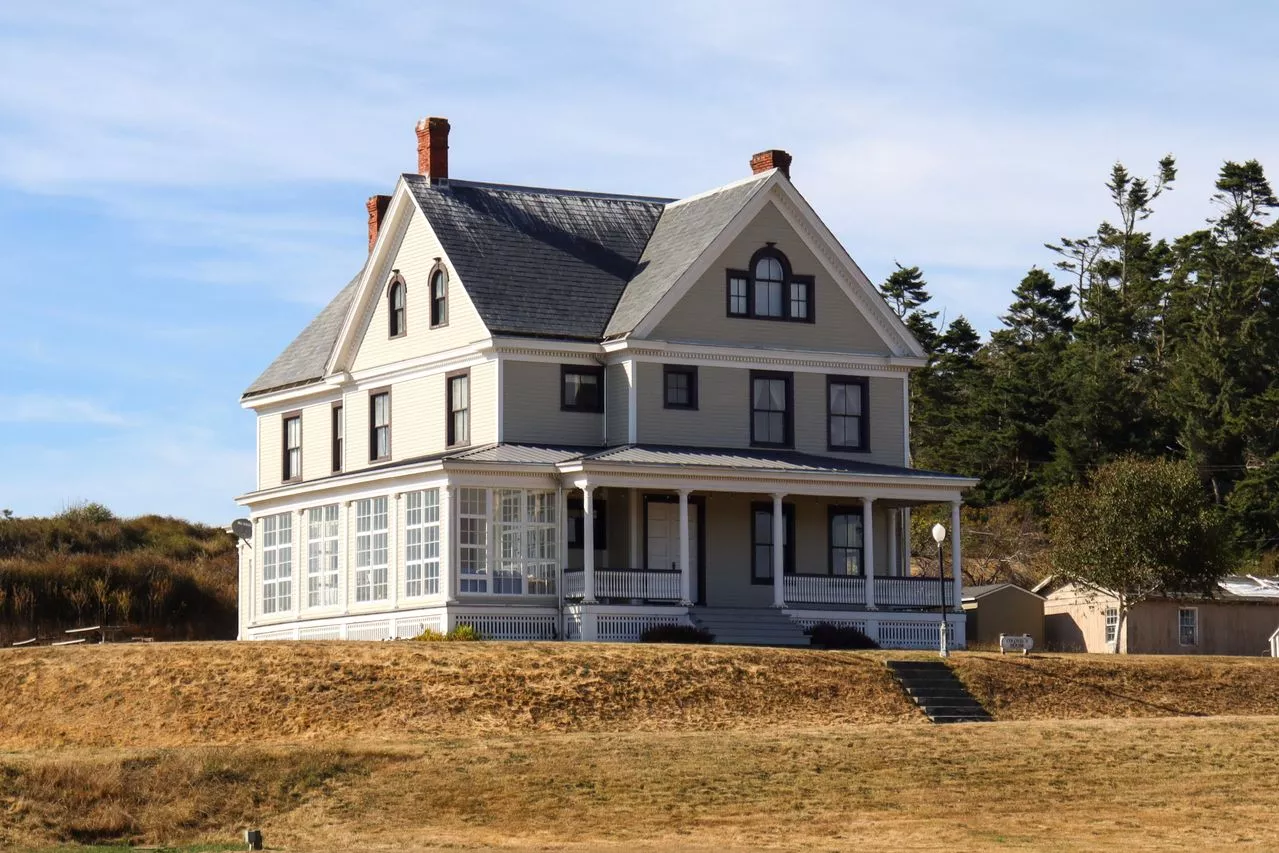
The homes, originally constructed between 1928 and 1939, are located in Fort Bragg’s Historic Pope neighborhood. They are recognized for their distinctive architectural features, including terra-cotta roofs, copper gutters, stucco exterior walls, hardwood flooring and basements. The residences form part of a larger collection of 230 homes at Fort Bragg that have been designated as historic properties.
Rather than replacing the aging residences with new construction, the Army and Corvias are taking an approach focused on preservation and modernization. The renovation program is designed to retain the architectural character that makes the homes historically significant while upgrading their interiors and building systems to better meet the needs of contemporary military families.
Once renovations are completed, the homes will provide updated housing for junior enlisted Soldiers and their families. The first family moved into a renovated residence following the ribbon-cutting ceremony, marking the beginning of the homes’ return to service.
Fort Bragg Garrison Commander Col. Luke Wittmer said the residences represent an important part of the installation’s history while emphasizing that their continuing purpose is to serve military personnel and their families.
“These residences are an important part of Fort Bragg’s history, but their greatest value is continuing to serve Soldiers and families who live in these homes,” Wittmer said. He added that the renovation work reflects the efforts of teams working to improve quality of life for military families.
The preservation project is intended to demonstrate that historic properties can be adapted for modern use without losing the features that connect them to the installation’s past. By renovating rather than demolishing and rebuilding, the project maintains the neighborhood’s historic identity while addressing the practical requirements of current housing standards.
The renovation work involves improvements throughout each residence. Planned upgrades include new roofing, updated kitchens and bathrooms, modern lighting and other improvements designed to enhance comfort, functionality and safety.
Because of the age and historic status of the properties, renovation teams must take additional care during construction. Protecting the original architectural elements while incorporating modern materials and systems requires a more specialized approach than a conventional residential renovation.
Denise Hauck, president of Corvias Military, said the age of the homes makes safety an important consideration throughout the renovation process. The company is working to ensure that construction activities protect both workers and the military families who will occupy the residences.
“With homes of this age, we take special care throughout the renovation to protect the people doing the work and the families who will live here next,” Hauck said.
She added that before an historic home is returned to service, Corvias ensures that the renovation has been completed and validated against applicable health and safety guidelines. The goal is to ensure that the properties remain useful for military families for years to come while preserving their historic character.
The Historic Pope renovation is part of a broader effort to improve military housing at Fort Bragg. The installation is also the focus of Project Homestead, one of Corvias’ significant current military housing modernization initiatives.
Project Homestead represents a $91 million investment in major renovations across Fort Bragg’s Hillcrest and Bataan neighborhoods. The program is designed to improve housing conditions and provide military families with upgraded residences.
Progress on the project is already well underway. Roofing work has been completed on 543 homes, while medium renovations have reached more than 80% completion. The work demonstrates the broader scale of Fort Bragg’s ongoing housing modernization efforts beyond the historic properties.
Together, the historic renovation program and Project Homestead highlight the Army and Corvias’ focus on improving residential facilities while maintaining important elements of Fort Bragg’s architectural and community heritage.
The ribbon-cutting ceremony also recognized the employees and teams responsible for supporting Fort Bragg families during the transition into and out of military housing.
Col. Wittmer specifically recognized Corvias Maintenance Manager Liz Mitchell for her dedication to Fort Bragg during an exceptionally demanding Permanent Change of Station, or PCS, season.
Mitchell and her team handled more than 1,600 home turns during the summer 2026 PCS period. Home turns involve inspecting, processing and preparing residences for incoming military families, making the work particularly important during periods when large numbers of service members relocate.
The annual PCS process represents one of the largest recurring movements of people in the United States. As many as 650,000 active-duty service members, dependents and civilians can relocate across the country or internationally during the annual change-of-duty-station cycle.
For housing teams, the summer PCS period can create significant operational demands as departing families leave homes and incoming families require residences to be inspected and prepared for occupancy. The work performed by Mitchell and her team helped ensure that Fort Bragg could continue supporting families during one of the busiest periods of the year.
The renovation and return of the Historic Pope homes therefore represents more than the preservation of nearly century-old buildings. It combines historic conservation, modern housing improvements and direct support for military families.
By retaining original architectural elements while introducing updated kitchens, bathrooms, roofing, lighting and other improvements, Corvias and the Army are giving the residences a renewed purpose. The first family’s move into a renovated home marks an important milestone in that effort.
As the remaining residences undergo renovation, the project will continue to preserve a distinctive part of Fort Bragg’s history while creating modern homes for the Soldiers and families who live and serve at the installation today.
Source Link:https://www.businesswire.com/