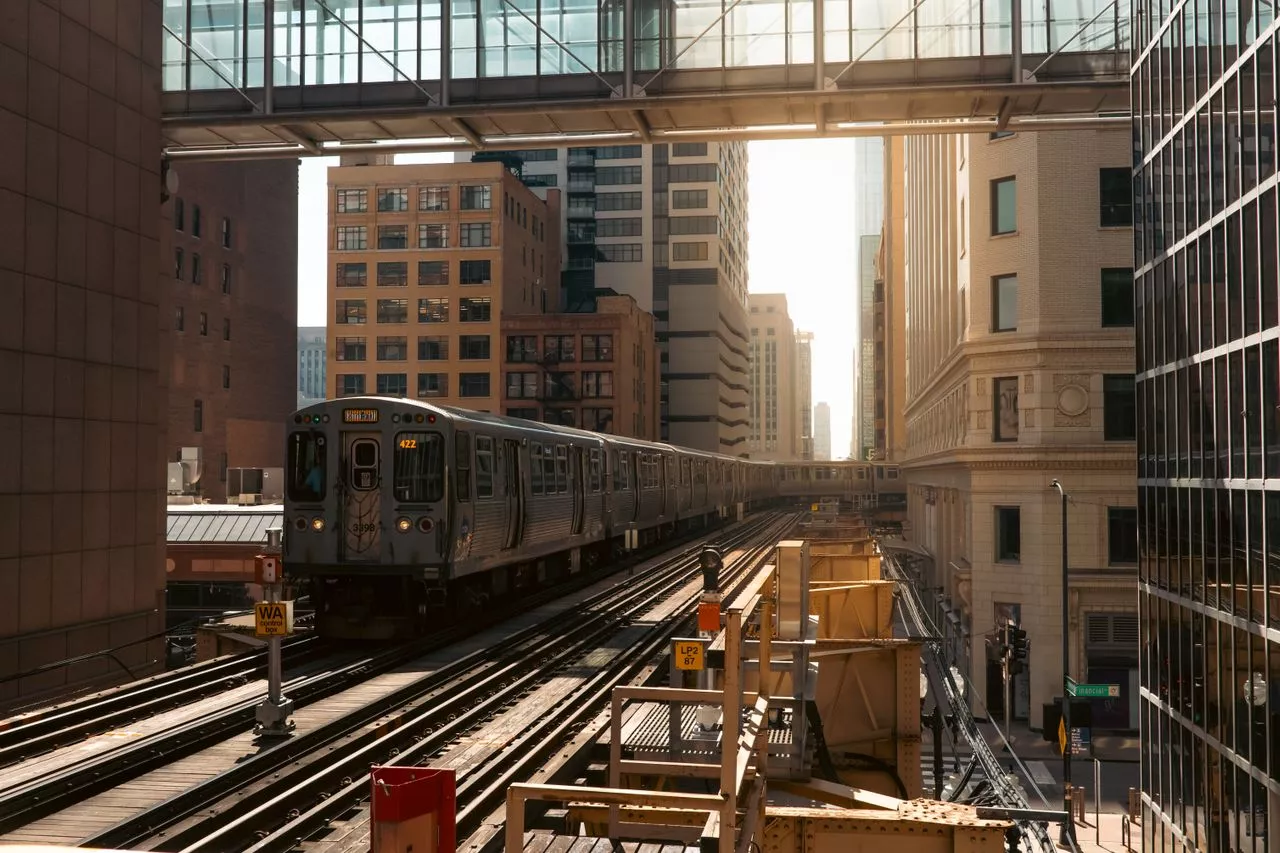
Fluor Corporation, in partnership with Walsh Construction Company, has achieved a major milestone on one of the most significant public transportation projects in the United States. The joint venture has officially reached Substantial Completion on the Chicago Transit Authority’s (CTA) $2.1 billion Red and Purple Line Modernization (RPM) Phase One Project, marking the completion of the largest capital investment in the history of the CTA. The accomplishment represents years of planning, engineering, and construction work aimed at transforming one of Chicago’s busiest rail corridors while maintaining uninterrupted transit service for thousands of daily commuters.
The Red and Purple Line Modernization Phase One Project was designed to address aging infrastructure that had served Chicago residents for more than a century. Much of the elevated track along the corridor had exceeded its intended service life, creating operational challenges and limiting the capacity of one of the city’s most heavily used transit routes. By replacing outdated infrastructure with modern systems, the project has significantly improved reliability, safety, accessibility, and overall passenger experience while preparing the network for future transit demands.
Fluor’s achievement reflects the combined expertise and dedication of a diverse project team that worked together throughout the multi-year construction effort. The partnership included Walsh Construction Company as the joint venture partner, Stantec serving as the lead designer, Hitachi delivering advanced signaling systems, and Meade as the project’s electrical contractor. The successful collaboration among these organizations enabled the project to overcome complex engineering challenges while delivering one of the largest transportation upgrades in Chicago’s recent history.
Commenting on the achievement, Shawn West, President of Fluor’s Infrastructure business, emphasized the importance of teamwork and collaboration throughout the project. He noted that reaching Substantial Completion demonstrates the strength of the partnerships formed during construction and highlights the commitment of every organization involved in delivering a transformational infrastructure project. According to West, the modernization initiative will benefit Chicago’s public transportation system for decades to come while improving the daily commute for thousands of passengers across the city. He also expressed pride in the accomplishments of the project team and their ability to deliver such a complex project successfully.
Construction on the RPM Phase One Project officially began in 2019 with the goal of replacing deteriorating infrastructure that had been in operation for approximately 100 years. Over the course of the project, crews modernized and rebuilt just over two miles of elevated railway between Lawrence Avenue and Bryn Mawr Avenue. This section of track is among the busiest parts of the CTA rail network, making the modernization effort particularly significant for improving system-wide performance and reliability.
One of the most visible aspects of the project involved the complete reconstruction of four CTA stations. These stations have been transformed into modern transit facilities that meet current accessibility standards while providing a more comfortable and efficient experience for passengers. The upgraded stations now feature elevators and other accessibility improvements, allowing easier access for passengers with disabilities, seniors, families with strollers, and travelers carrying luggage. Enhanced passenger flow, improved wayfinding signage, upgraded lighting, and additional security features further contribute to a safer and more convenient commuting environment.
Beyond station improvements, the project introduced major operational enhancements through the construction of the Red-Purple Bypass, an innovative elevated rail structure designed specifically to eliminate one of the network’s long-standing operational bottlenecks. Before the bypass was built, Brown Line trains were required to cross tracks used by Red and Purple Line trains at grade, creating delays and limiting the frequency of train service. The new elevated bypass separates train movements, eliminating these track conflicts and allowing more efficient operations across all three rail lines. As a result, passengers can expect improved reliability, reduced delays, and increased train capacity throughout the corridor.
The modernization effort also included significant technological upgrades to the CTA’s signaling infrastructure. Approximately 11 miles of new digital track circuit signaling systems were installed as part of the project, replacing older signaling technology with modern equipment capable of supporting increased train frequency and more efficient operations. The advanced signaling system not only improves current service reliability but also establishes the foundation for future enhancements, including next-generation signaling technologies and the integration of newer rail vehicles as the CTA continues to modernize its fleet.
Delivering a project of this scale presented numerous engineering and logistical challenges. One of the most remarkable achievements was completing the majority of construction while maintaining active rail service throughout the corridor. Rather than shutting down one of Chicago’s busiest transit routes for an extended period, construction teams carefully phased their work to minimize disruptions for commuters. This required detailed planning, close coordination among contractors and transit officials, and innovative construction methods that allowed trains to continue operating safely alongside ongoing infrastructure work.
Maintaining continuous transit service throughout construction ensured that residents, businesses, and visitors continued to have access to essential transportation while the upgrades were being completed. Although temporary service adjustments and construction-related inconveniences were occasionally necessary, the overall strategy successfully balanced infrastructure improvements with the needs of daily commuters.
The newly reconstructed stations and upgraded track infrastructure officially opened to the public during the summer of 2025, allowing passengers to immediately benefit from the improvements. Riders now experience faster, more reliable service along the corridor, enhanced accessibility, improved safety features, and modern station amenities that better serve the needs of Chicago’s growing population.
While Substantial Completion marks a significant milestone, work on the RPM Phase One Project is not yet entirely finished. Remaining activities include final project closeout tasks, system optimization, documentation, and other finishing work required before full contractual completion. Final completion of the project is currently scheduled for November 2026, bringing to a close one of the largest and most ambitious transit modernization initiatives ever undertaken by the Chicago Transit Authority.
The successful completion of the RPM Phase One Project represents more than simply replacing aging infrastructure. It demonstrates how strategic investment in public transportation can strengthen urban mobility, improve passenger experiences, support economic development, and create infrastructure capable of meeting future transportation needs. As Chicago continues to invest in modern transit solutions, the upgraded Red and Purple Line corridor will play a critical role in supporting sustainable mobility, reducing congestion, and connecting communities across the city for decades to come.
Source Link:https://www.businesswire.com/