Leaders from across the rapidly growing build-to-rent (BTR) housing sector recently gathered in Commerce City to highlight innovative solutions aimed at addressing the nation’s housing challenges. The visit brought together key stakeholders from NexMetro Communities, Catamount Constructors, the National Multifamily Housing Council, and the Associated General Contractors of Colorado. They were joined by Scott Turner, U.S. Secretary of Housing and Urban Development, and Gabe Evans, who represents Colorado’s 8th Congressional District.
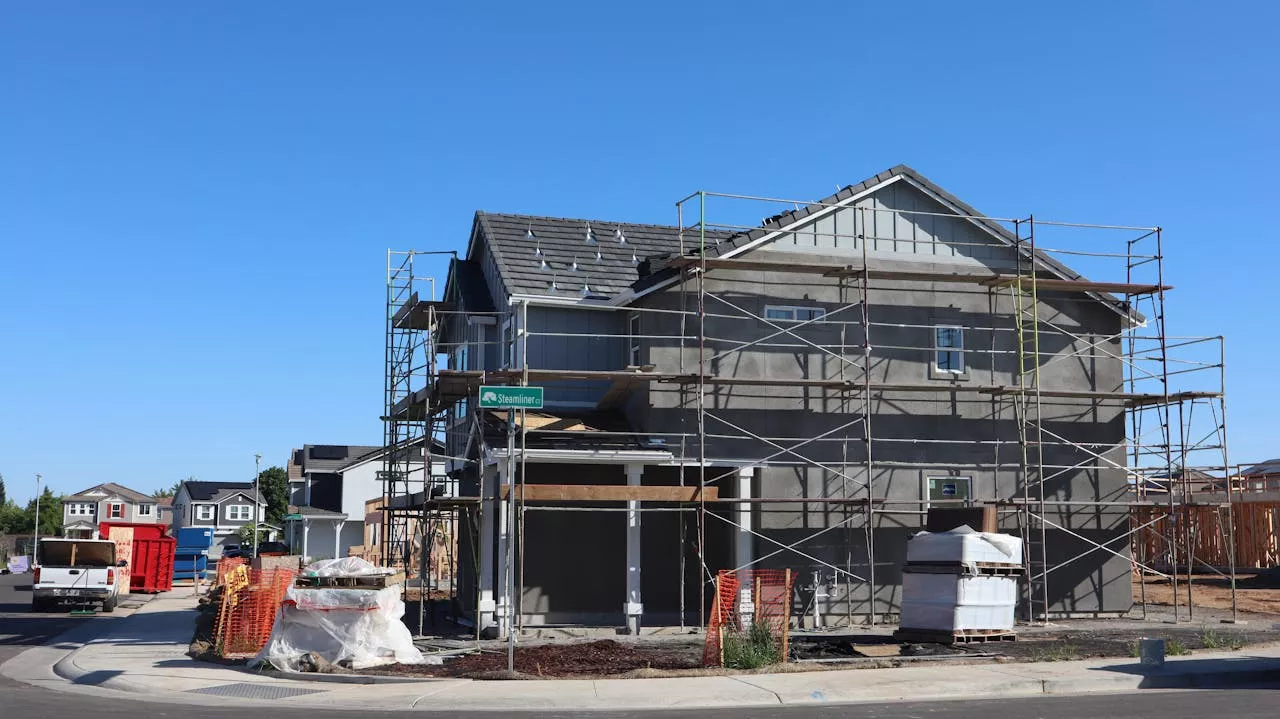
The group convened at Avilla Buffalo Run, a purpose-built rental community that serves as a prominent example of how BTR developments are expanding housing options across the United States. Developed by NexMetro Communities and constructed by Catamount Constructors, the project represents one of the earliest BTR communities in Colorado. It features 123 single-level homes, offering one-, two-, and three-bedroom layouts, each with private backyards and access to resort-style amenities. The design blends the privacy and comfort of a traditional home with the flexibility of rental living, making it appealing to a wide range of residents.
The visit underscored the growing importance of BTR communities in addressing housing affordability and availability. Across the country, many families face increasing difficulty in finding suitable and affordable homes. Rising costs, limited inventory, and shifting lifestyle preferences have created a need for alternative housing models. BTR communities are emerging as a practical solution by delivering high-quality rental housing that meets diverse needs while adding to overall housing supply.
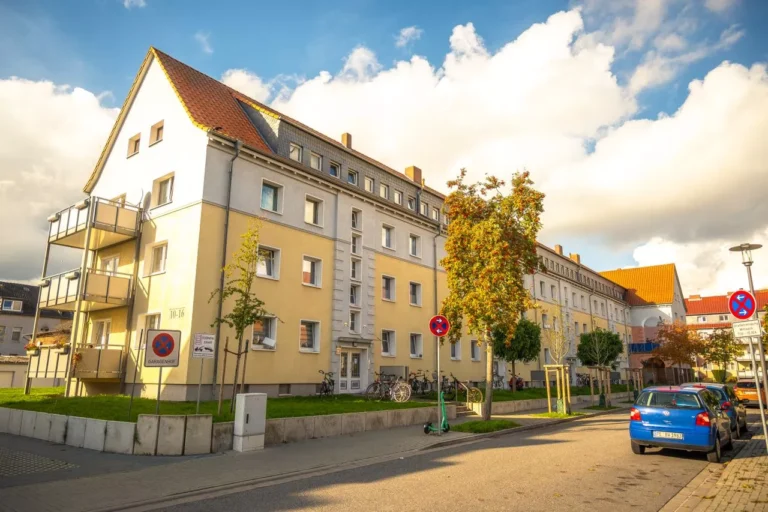
Unlike traditional apartment complexes, BTR developments are designed as complete neighborhoods. They cater to a broad demographic spectrum, including young professionals entering the workforce, families seeking stability without the financial commitment of homeownership, retirees looking to downsize, and military personnel transitioning between assignments. By offering a balance between independence and convenience, BTR communities provide an attractive option for those who value both flexibility and a sense of community.
Data from Yardi Matrix highlights the sector’s rapid growth, with nearly 39,000 BTR units delivered across the United States in 2024 alone. This surge reflects strong demand and increasing recognition of the model’s ability to address housing shortages. Expanding housing supply in various forms—whether through homeownership, multifamily developments, or BTR communities—is widely seen as essential to improving affordability and accessibility.
During the visit, industry leaders and policymakers emphasized the role of BTR in complementing traditional housing options. Rather than replacing homeownership, BTR serves as an additional pathway that supports individuals and families at different stages of life. For some, it provides a stepping stone toward eventually purchasing a home, while for others, it offers a long-term lifestyle solution that aligns with their needs.
Sharon Wilson Geno, President of the National Multifamily Housing Council, highlighted the significance of the sector in today’s housing landscape. She noted that BTR communities are helping to address critical shortages by delivering homes that are both accessible and desirable. According to her, these developments play a vital role in supporting a wide range of residents, from young adults starting their careers to older individuals seeking simplified living arrangements.
Scott Turner also emphasized the importance of local initiatives in tackling housing affordability challenges. He pointed to projects like Avilla Buffalo Run as examples of practical, scalable solutions that can be replicated in other regions. By delivering over 120 housing units, the community demonstrates how targeted development efforts can make a meaningful impact, particularly when supported by collaboration between public and private sectors.
From a developer’s perspective, Josh Hartmann, CEO of NexMetro Communities, described the appeal of cottage-style multifamily neighborhoods. He explained that these communities offer a unique combination of quality, privacy, and neighborhood feel, while maintaining the flexibility that renters value. With more than 60 similar communities developed nationwide, NexMetro continues to expand its footprint, responding to growing demand for thoughtfully designed rental housing.
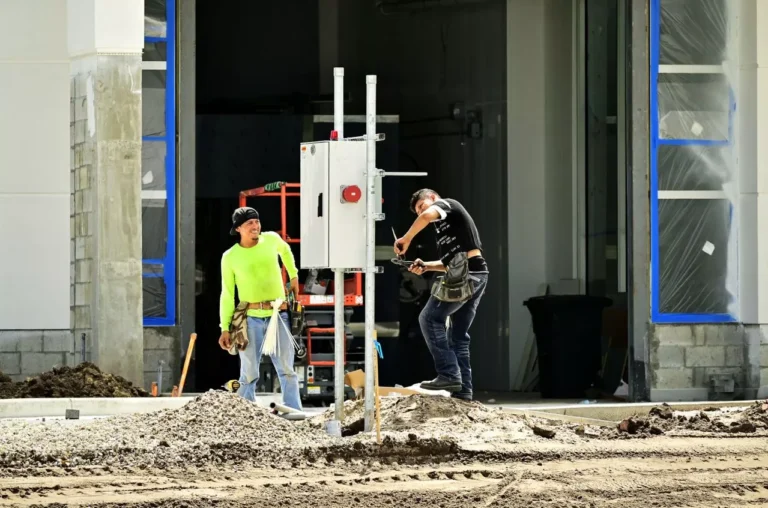
Construction also plays a crucial role in the success of BTR projects. Jared Ford of Catamount Constructors highlighted the efficiency of the model, noting that a single BTR development can add hundreds of homes to the housing market in a relatively short time. Beyond addressing housing needs, these projects generate significant economic benefits by creating jobs for construction workers, subcontractors, and related industries.
The economic impact extends beyond the construction phase. Jeff Barratt of the Associated General Contractors of Colorado pointed out that BTR developments contribute to the broader economy by supporting local businesses and generating long-term economic activity. In addition, they provide housing options for individuals who may not yet be ready or able to purchase a home, helping to stabilize communities and support workforce mobility.
Gabe Evans emphasized the importance of collaboration between policymakers and industry experts in addressing housing challenges. He noted that engaging with local stakeholders provides valuable insights into the practical solutions needed to expand housing opportunities. By fostering dialogue and supporting innovative approaches, policymakers can help ensure that more families have access to housing that suits their needs and circumstances.
The visit to Avilla Buffalo Run ultimately highlighted the growing role of build-to-rent communities as a key component of the U.S. housing ecosystem. As demand continues to rise and housing challenges persist, the BTR model offers a scalable and effective solution that bridges the gap between renting and homeownership.
In conclusion, the gathering of industry leaders and policymakers in Commerce City demonstrated the potential of collaborative efforts to address one of the country’s most pressing issues. By combining innovative development models, strong public-private partnerships, and a focus on community needs, the build-to-rent sector is helping to create more accessible, flexible, and sustainable housing solutions for the future.
Source Link:https://www.businesswire.com