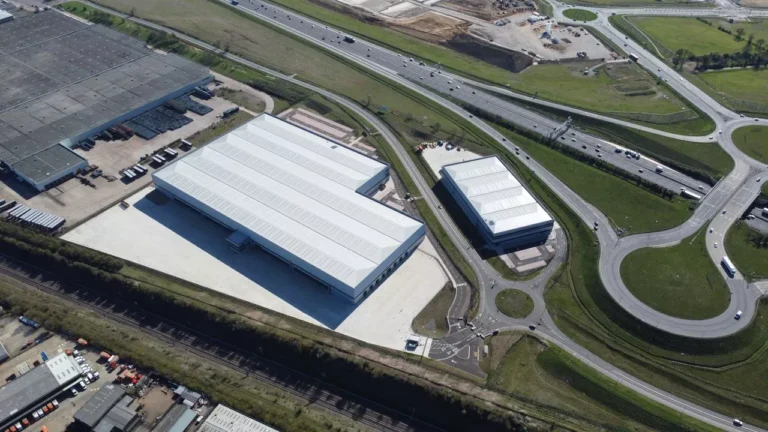
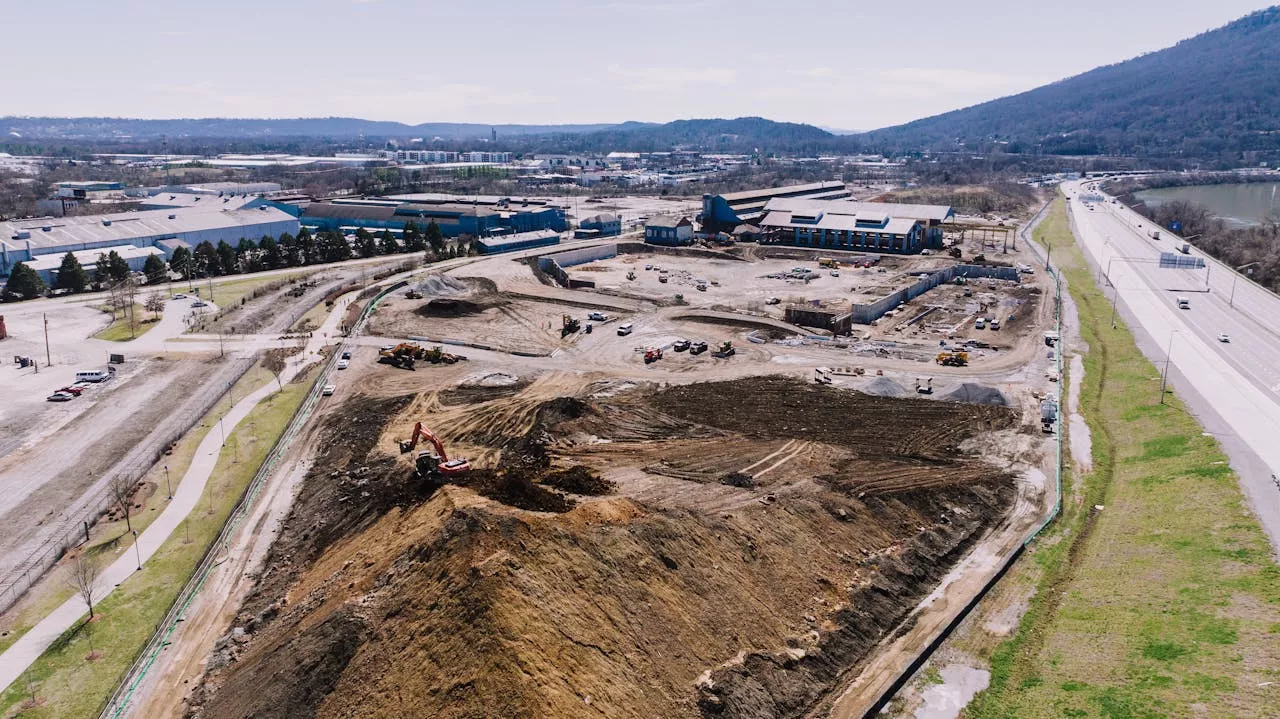
Davidson Bogel Real Estate has successfully facilitated the acquisition of an 8.5-acre industrial land assemblage in Lewisville, bringing together four separate parcels located at 421, 451, 475, and 493 Bennett Lane. The site has been acquired by Lovett Industrial, which plans to develop a Class A industrial project on the property, further strengthening the region’s growing logistics and distribution infrastructure.
The transaction represents a significant achievement in a market where developable land is becoming increasingly scarce. The assemblage required careful coordination among four different ownership groups, each with its own priorities and timelines. Successfully consolidating these parcels into a single development-ready site underscores both the complexity of the deal and the expertise required to execute such transactions in today’s competitive industrial real estate environment.
The deal was led by Philip Cherrick of Davidson Bogel Real Estate, working in collaboration with Bennett See of Lovett Industrial. Their partnership was instrumental in navigating the various challenges associated with multi-parcel acquisitions, including negotiations with multiple stakeholders, aligning transaction terms, and ensuring a smooth closing process.
The newly assembled site is strategically located with direct access to Interstate 35, one of the most critical transportation corridors in the region. This connectivity makes the property particularly attractive for logistics, warehousing, and distribution users who rely on efficient access to major highways for the movement of goods. The location enhances the site’s potential as a high-performance industrial facility capable of serving both regional and national supply chains.
In addition to its logistical advantages, the project is notable for its alignment with the City of Lewisville’s evolving regulatory framework for industrial development. The development will be among the first to move forward under the city’s newly implemented Supplemental Use Permit (SUP) ordinance. This ordinance introduces updated guidelines and approval processes for industrial projects, reflecting the city’s efforts to balance economic growth with thoughtful planning and community considerations.
By successfully navigating this new regulatory pathway, the project sets an important precedent for future industrial developments in Lewisville. It demonstrates how developers and municipalities can work together to create high-quality, well-planned projects that meet both market demand and regulatory requirements. The approval process also highlights the increasing importance of adaptability and collaboration in modern real estate development.
The significance of this transaction extends beyond the individual project. It reflects broader trends shaping the industrial real estate sector, particularly in high-demand markets like North Texas. As e-commerce continues to expand and supply chains evolve, the need for modern, well-located industrial facilities has grown substantially. However, the availability of suitable land—especially in infill locations close to established infrastructure—remains limited.
This scarcity has made land assemblage an increasingly important strategy for developers seeking to create viable project sites. By combining smaller, fragmented parcels into larger, cohesive properties, developers can unlock opportunities that would otherwise be unattainable. At the same time, these transactions often involve significant complexity, requiring skilled negotiation, market knowledge, and a deep understanding of local regulations.
Philip Cherrick emphasized the strategic nature of the deal, noting that the assemblage took place in one of the tightest industrial submarkets in North Texas. He highlighted that bringing together multiple ownership groups while navigating a newly introduced permitting process required a high level of coordination and expertise. The successful outcome, he noted, reflects both the strong demand for Class A industrial space and the limited supply of suitable development sites in the area.
Lewisville itself has emerged as one of the most competitive industrial submarkets within the Dallas–Fort Worth metroplex. The area benefits from a combination of favorable factors, including low vacancy rates, strong tenant demand, and proximity to major transportation networks. These attributes have attracted significant interest from developers and investors seeking to capitalize on the region’s growth.
The planned Class A development by Lovett Industrial is expected to contribute to this momentum by delivering high-quality industrial space that meets the needs of modern tenants. Class A facilities typically feature advanced design, efficient layouts, and state-of-the-art infrastructure, making them well-suited for logistics and distribution operations. As demand for such properties continues to rise, developments like this play a crucial role in supporting economic activity and supply chain efficiency.
Moreover, the project is likely to generate broader economic benefits for the region, including job creation and increased business activity. Industrial developments often serve as key drivers of local economies, attracting companies that require access to transportation networks and skilled labor. By providing new space for these businesses, the project will help support continued growth in the Lewisville area.
In conclusion, the successful facilitation of this multi-parcel land assemblage highlights the importance of strategic planning, collaboration, and market expertise in today’s industrial real estate landscape. Through the combined efforts of Davidson Bogel Real Estate and Lovett Industrial, a complex transaction has been transformed into a significant development opportunity. As the project moves forward, it is poised to play a key role in shaping the future of industrial development in Lewisville and the broader North Texas region.
Source Link:https://www.businesswire.com/