The interior design landscape is undergoing a noticeable transformation in 2026, with homeowners moving away from the cool, minimalist gray aesthetics that dominated the previous decade in favor of warmer, more inviting living spaces. According to new insights from Rugs.com, one of the largest online rug retailers in the United States, consumers are increasingly prioritizing products that combine visual appeal with everyday practicality, driving demand for washable rugs, natural fibers, textured materials, and earthy color palettes.
The company’s latest trend analysis is based on customer purchasing patterns, browsing activity, bestseller rankings, and the performance of new product launches across its extensive catalog of more than 100,000 rug designs through the first half of 2026. The findings reveal that modern shoppers are no longer choosing between style and performance. Instead, they expect rugs to deliver durability, comfort, sustainability, and attractive design in equal measure.
As homes continue to serve multiple functions—including workspaces, entertainment areas, and places for relaxation—buyers are increasingly investing in furnishings that enhance both aesthetics and day-to-day living. Rugs have become an essential component of that transformation, providing warmth, texture, and personality while also meeting practical household needs.
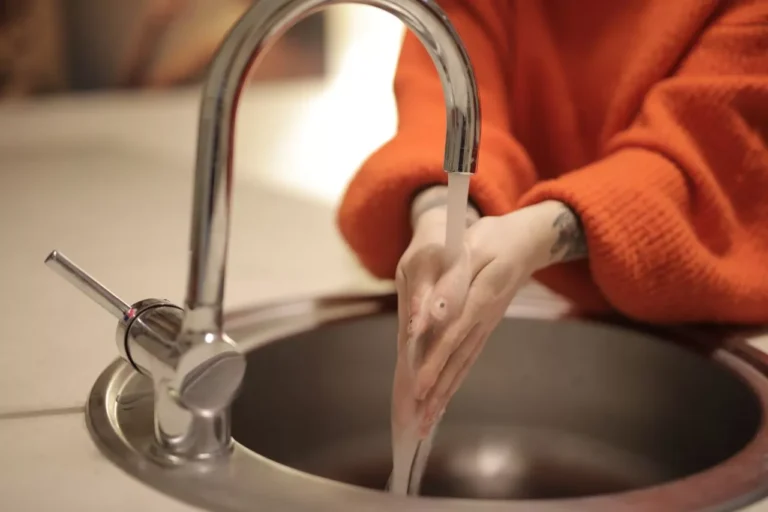
Among the strongest trends identified by Rugs.com is the rapid growth of machine-washable rugs. Once considered a niche category with limited design options, washable rugs have evolved into one of the industry’s fastest-growing product segments. Improvements in manufacturing technology now allow these rugs to feature sophisticated patterns, premium finishes, and durable construction while maintaining the convenience of easy cleaning.
The popularity of washable rugs reflects changing household priorities. Families with children, pet owners, and busy professionals are increasingly seeking home furnishings that can withstand everyday wear without sacrificing style. Easy maintenance has become a significant purchasing factor, allowing consumers to maintain attractive living spaces without the challenges associated with traditional rug care.
The company notes that consumers no longer view washable rugs as a compromise. Instead, they are being selected because they successfully combine convenience, design quality, and affordability, making them suitable for virtually every room in the home.
Another key finding from the report is the growing consumer preference for natural materials and environmentally conscious products. Rugs made from wool, jute, cotton, sisal, and other renewable fibers continue to gain popularity as homeowners seek products that contribute to healthier indoor environments while supporting more sustainable purchasing decisions.
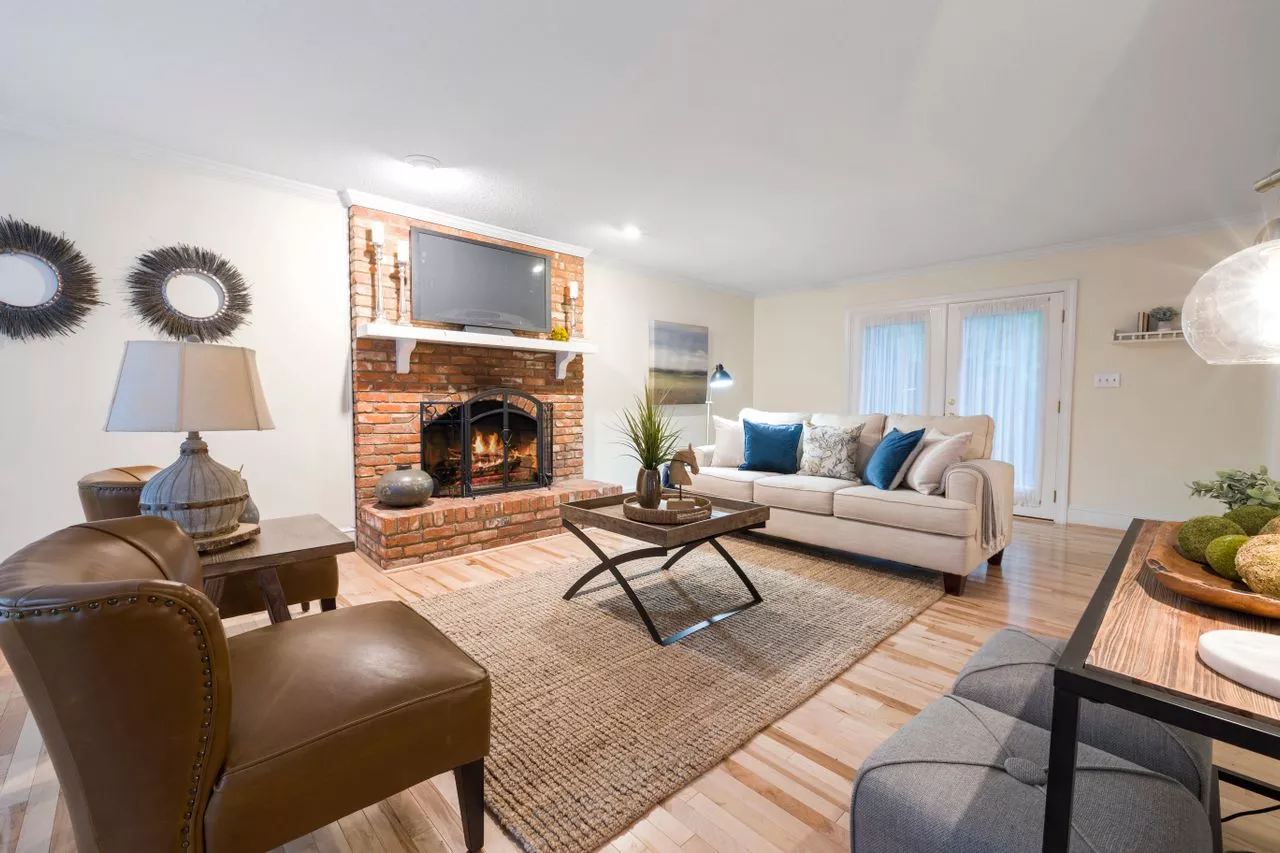
Natural-fiber rugs are increasingly valued for their timeless appearance, durability, and ability to complement a wide variety of interior design styles. Their organic textures and neutral tones fit seamlessly into both contemporary and traditional homes, making them a versatile choice for homeowners looking to create comfortable, welcoming spaces.
Sustainability has become a more influential factor in home furnishing decisions, particularly among younger buyers who are paying closer attention to the environmental impact of the products they bring into their homes. This trend has encouraged retailers to expand their collections of responsibly sourced and eco-conscious flooring solutions.
Texture has also emerged as one of the defining design characteristics of 2026. Rather than relying solely on bold colors or dramatic patterns, homeowners are embracing rugs that introduce depth through tactile surfaces and layered materials.
Ultra-plush constructions, high-pile rugs, boucle-inspired finishes, handwoven appearances, and richly textured fabrics are becoming increasingly popular as consumers seek interiors that feel warm, comfortable, and personalized. These products help create relaxing environments while adding visual dimension to living rooms, bedrooms, and family spaces.
The report suggests that this renewed interest in texture reflects a broader movement toward creating homes that prioritize comfort and emotional well-being. Consumers are increasingly designing spaces that feel lived-in rather than overly polished, favoring materials that encourage relaxation and everyday enjoyment.
Color preferences are also evolving significantly. The once-dominant cool gray palette is gradually giving way to warmer earth-inspired hues including terracotta, sand, camel, clay, olive green, rust, warm beige, and soft browns. These colors create a more inviting atmosphere while pairing naturally with wood finishes, stone surfaces, and other organic design elements that continue to gain popularity.
The shift toward warmer tones mirrors broader interior design movements emphasizing nature, wellness, and authenticity. Instead of creating minimalist spaces with limited visual interest, homeowners are choosing layered color palettes that evoke comfort and balance.
Pattern selection has likewise become more diverse. While classic traditional motifs remain popular, shoppers are increasingly exploring vintage-inspired designs, modern organic patterns, subtle geometric elements, and transitional styles that bridge contemporary and timeless aesthetics. These versatile options allow homeowners to refresh their interiors while maintaining long-term design flexibility.
According to Rugs.com, today’s consumers are also approaching home decorating with greater confidence and individuality. Rather than following rigid design rules, many shoppers are selecting pieces that reflect their own personalities, lifestyles, and functional needs. This trend has encouraged greater experimentation with textures, colors, and layered decorating approaches.
The company’s extensive catalog provides valuable insight into these changing preferences by capturing purchasing behavior across a broad range of demographics, price points, and design styles. By analyzing both browsing activity and completed purchases, Rugs.com is able to identify emerging consumer preferences before they become mainstream design trends.
Andrew Haltom, Director of Customer Success at Rugs.com, noted that the company’s large customer base offers a unique perspective on how decorating preferences continue to evolve. He explained that consumer purchasing patterns clearly demonstrate that buyers want products capable of delivering both outstanding design and dependable everyday performance.
He also observed that shoppers are increasingly embracing rugs that introduce texture and personality into their homes while maintaining practical features such as washability and long-lasting durability. According to Haltom, today’s customers expect style, performance, and value simultaneously, and manufacturers are responding with products that successfully meet all three expectations.
Looking ahead, Rugs.com believes these trends will continue shaping the home furnishings industry well beyond 2026. As consumers place greater emphasis on comfort, sustainability, functionality, and personal expression, rugs are evolving from decorative accessories into essential design elements that support modern lifestyles while enhancing the beauty and livability of today’s homes.
Source Link:https://www.businesswire.com/