Green Business Certification Inc. Europe (GBCI Europe) is bringing together sustainability leaders, real estate professionals, investors, architects, and policymakers in Milan for Circle 2026, the flagship annual gathering of Europe’s LEED community. Taking place from May 6 to May 8, the event also marks the fifth anniversary of the conference, highlighting the growing influence of green building practices and ESG-driven development across Europe.
This year’s conference places a strong focus on resilience, decarbonization, and the evolving role of sustainable buildings in meeting both environmental goals and financial expectations. At the heart of the discussions is LEED v5, the newest version of the globally recognized Leadership in Energy and Environmental Design (LEED) certification system, which continues to shape the future of sustainable construction and real estate investment.
LEED, developed by the U.S. Green Building Council (USGBC), remains the world’s most widely used green building rating system. The updated LEED v5 framework is designed to address emerging global challenges related to climate change, carbon reduction, occupant wellbeing, and operational efficiency. During Circle 2026, industry experts are exploring how the latest version of LEED can help organizations align more effectively with the European Union Taxonomy for sustainable activities.
The EU Taxonomy has become an increasingly important framework for investors, developers, and financial institutions throughout Europe. It establishes clear standards for determining whether economic activities can be classified as environmentally sustainable. As regulatory expectations continue to intensify and investor demand for ESG transparency grows, real estate stakeholders are under increasing pressure to demonstrate measurable sustainability performance.
Conference discussions are emphasizing how green building certifications such as LEED are no longer viewed solely as environmental credentials. Instead, they are becoming essential tools for financial reporting, investment strategy, asset valuation, and long-term risk management. Industry leaders attending the event are highlighting the growing integration of certification systems, ESG disclosures, and sustainable finance requirements across European markets.
One of the major highlights of the conference is the presentation of the GBCI Europe Impact Report 2026 by Peter Templeton, President and CEO of both USGBC and GBCI. The report is based on an extensive analysis of LEED-certified buildings and performance data across major European real estate markets.
According to GBCI Europe, the report demonstrates how the built environment sector is evolving in response to increasing demands for decarbonization, climate resilience, and ESG accountability. The findings reveal that sustainable building strategies are shifting beyond traditional sustainability goals and are now being viewed as critical components of long-term operational and investment resilience.
The report also identifies strong alignment across several core performance indicators, including energy efficiency, operational performance, carbon reduction, and indoor environmental quality. These areas are becoming increasingly important as investors and tenants seek buildings capable of supporting both environmental targets and occupant wellbeing.
In addition to environmental performance, the report highlights how resilience has emerged as a central concern for the European real estate industry. Property owners and developers are increasingly focused on mitigating risks related to climate change, energy costs, resource scarcity, and regulatory compliance. Sustainable building certifications are therefore playing a larger role in helping organizations prepare for future economic and environmental challenges.
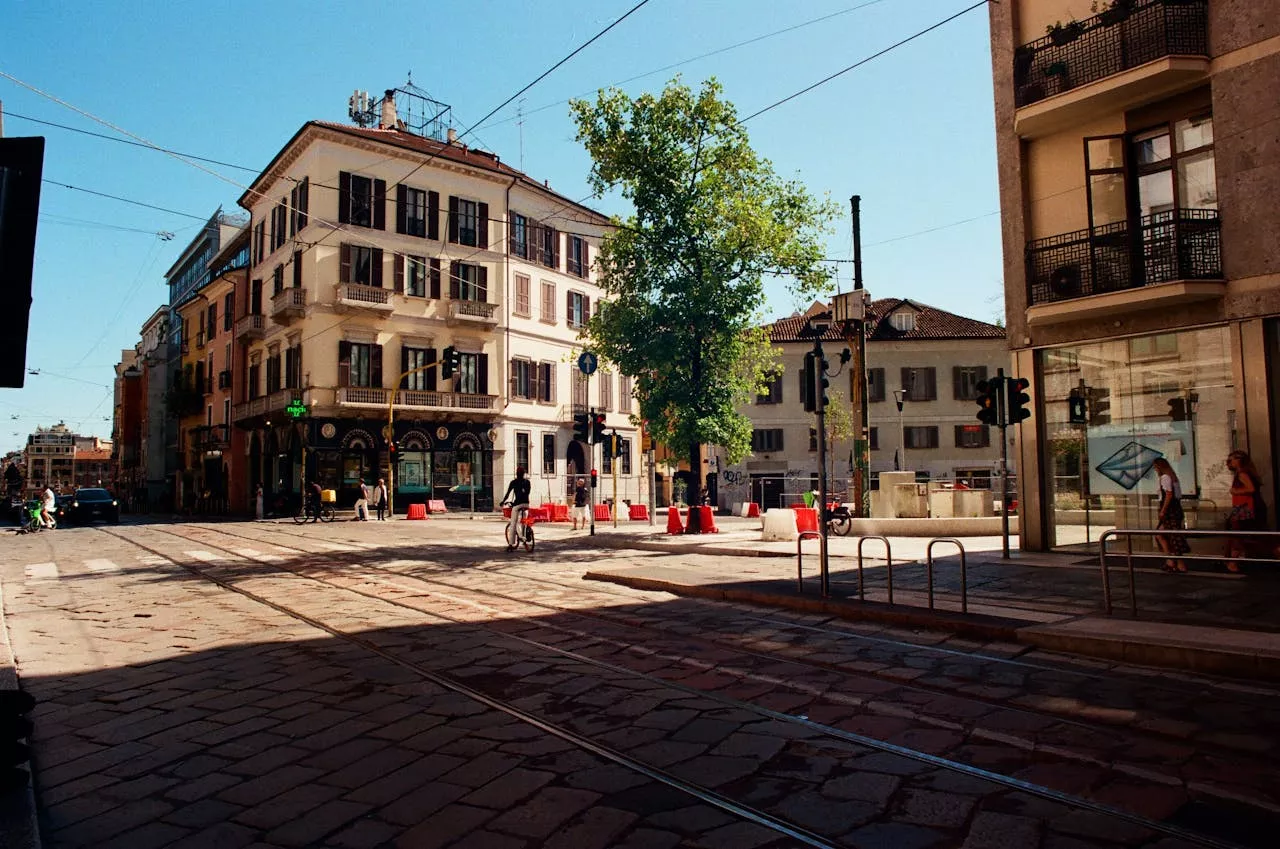
Milan’s selection as the host city for Circle 2026 reflects Italy’s growing influence within the European green building and sustainable real estate sectors. Over the past several years, Italy has experienced significant growth in LEED certification activity, positioning the country as one of Europe’s most active sustainability-focused construction markets.
In 2025, Italy ranked third in Europe for LEED certification activity, demonstrating strong momentum across the commercial real estate, infrastructure, hospitality, and mixed-use development sectors. Early figures from 2026 suggest that the market’s growth is continuing to accelerate, with certification volumes increasing nearly 1.8 times compared to the previous year.
This rapid expansion reflects broader trends within the Italian real estate and construction industries, where sustainability standards are increasingly integrated into investment decisions, development planning, and asset management strategies. LEED certification is now commonly viewed not only as a sustainability benchmark but also as a valuable business and investment tool that can enhance asset performance, tenant appeal, and long-term value.
Industry experts attending Circle 2026 are discussing how cities such as Milan are becoming important hubs for sustainable urban development in Europe. Known internationally for its design, architecture, and innovation sectors, Milan has also emerged as a leader in green building initiatives and ESG-focused real estate transformation.
The conference is providing a platform for collaboration among stakeholders from across the sustainability ecosystem, including developers, engineers, consultants, investors, government officials, and technology providers. Sessions throughout the event are addressing topics such as building decarbonization strategies, climate adaptation, healthy buildings, sustainable finance, operational efficiency, and future regulatory developments.
Another major theme at Circle 2026 is the growing relationship between sustainability performance and financial resilience. Investors are increasingly prioritizing assets that demonstrate strong ESG credentials, energy efficiency, and adaptability to future climate risks. As a result, certifications like LEED are becoming increasingly valuable in attracting investment capital and maintaining long-term competitiveness in the property market.
GBCI Europe also acknowledged the organizations supporting this year’s conference. Platinum sponsors for Circle 2026 include Daikin Europe N.V. and RISE S.r.l., both of which play active roles in advancing sustainable building technologies and environmental innovation within the industry.
Additionally, GBC Italia serves as the official communication partner for the event, helping to strengthen awareness and engagement across Italy’s sustainability and green building community.
As Circle 2026 celebrates its fifth anniversary, the event reflects how rapidly the conversation around sustainability has evolved within the built environment sector. What was once viewed primarily as a voluntary environmental initiative has now become a strategic business priority tied directly to risk management, investment performance, regulatory compliance, and long-term resilience.
With resilience, decarbonization, and ESG integration now shaping the future of real estate and construction across Europe, Circle 2026 serves as an important platform for industry leaders seeking solutions that balance environmental responsibility with economic growth and operational stability.
The discussions taking place in Milan are expected to influence how developers, investors, and policymakers approach sustainable buildings in the years ahead, reinforcing the role of LEED certification as a critical framework for the future of resilient and high-performing built environments.
Source Link:https://www.businesswire.com/