Reframe Systems, a physical AI company focused on transforming residential construction, has raised an additional $40 million in venture-backed equity financing to expand its network of automated microfactories across North America and accelerate the delivery of new homes.
The latest funding round was led by Energy Impact Partners (EIP), with participation from Counterpart Ventures, E12 Ventures, Global Brain, Thin Line Capital, Up Partners and LACI Impact Fund. Existing investors, including Eclipse, VoLo Earth, Cubit Capital, RA Capital Management (Planetary Health), MassMutual Catalyst and Nor’easter, also continued their support.
The new investment will enable Reframe to increase home production capacity in New England while establishing additional microfactories throughout North America. The company aims to use robotics, software and advanced manufacturing techniques to address persistent challenges facing the housing and construction sectors.
The United States continues to face a significant housing shortage, with millions of homes needed to meet demand. Traditional residential construction remains highly dependent on manual labor and fragmented subcontractor networks, making projects vulnerable to labor shortages, rising costs and lengthy construction schedules.
According to Reframe, a typical home can involve more than 25 subcontractors and relies heavily on a shrinking skilled-trades workforce. This fragmented approach can make it difficult to deliver housing quickly and affordably, particularly in communities where demand is growing.
Reframe is attempting to change this model by combining physical AI, robotics, software and manufacturing principles. Instead of relying on a single large centralized factory, the company is developing a distributed network of smaller automated microfactories located closer to the communities where homes are required.
The approach is designed to make residential production more flexible and responsive to local requirements.
Reframe’s microfactory model is intended to overcome several limitations associated with conventional modular construction. Smaller facilities can adapt production to different zoning regulations, climate conditions and architectural requirements while remaining geographically close to construction sites.
Software connects the design and manufacturing processes, while robotic systems automate repetitive fabrication activities. Digital work instructions also help workers with different levels of experience participate in the assembly process.
The company says its technology can help homes be delivered up to three times faster and at approximately 35% lower cost than traditional construction methods.
This combination of automation and localized production could also help reduce some of the inefficiencies associated with transporting building components over long distances.
As part of its expansion strategy, Reframe is opening FAB1, a new microfactory in Billerica, Massachusetts.
Operations are scheduled to begin on October 5. The company says the facility will reach full production readiness in less than 70 days after receiving access to the site, demonstrating the speed at which its microfactory model can be deployed.
With less than $5 million in equipment, FAB1 is designed to produce as many as 500 multifamily units or 250 single-family homes annually.
The facility represents an important step in Reframe’s effort to create a scalable production network rather than depending on traditional construction capacity alone.
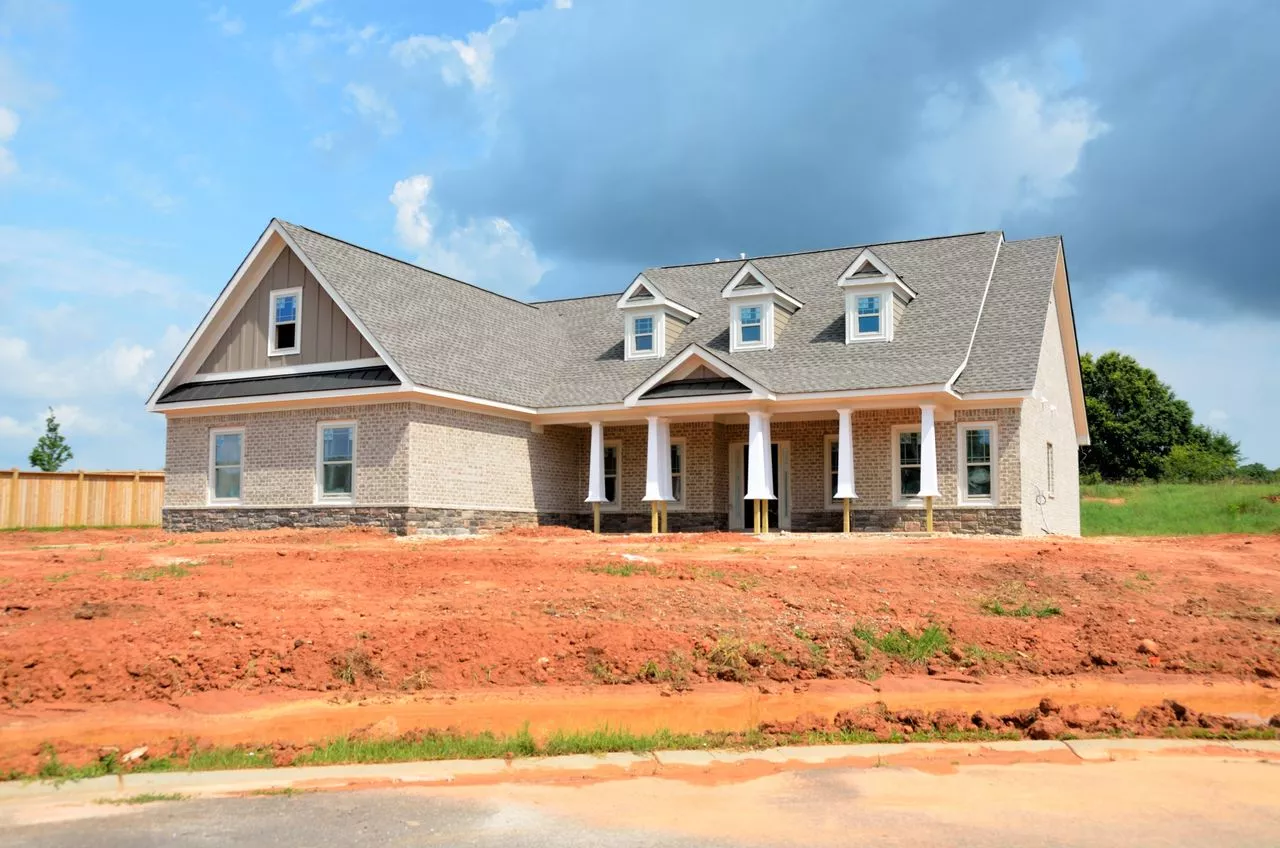
Reframe has already completed 10 homes, ranging from accessory dwelling units to larger multifamily developments. Eight of those homes are currently occupied, while the company expects to deliver another 114 units over the next year.
At Adams Circle in Devens, Massachusetts, the company is completing 12 units. Additional projects include a five-story apartment building in Roxbury, Massachusetts, and a development in Thornton, New Hampshire.
The company is also applying its technology to disaster recovery. In Altadena, California, Reframe is completing a wildfire-resilient bungalow and an accessory dwelling unit for a family rebuilding after devastating wildfires.
For homeowners Jonathan and Marisol Talbot, the technology offered a faster alternative to conventional rebuilding.
Following the fires, the family faced the possibility of a traditional reconstruction process taking years and costing more than they could afford. Reframe helped streamline the process, coordinate permitting and work with a contractor to deliver a new wildfire-resilient home within a significantly shorter timeframe.
Reframe believes the value of its approach extends beyond individual projects. By combining software, robotics and data from multiple deployments, the company expects its production system to become increasingly efficient over time.
The concept is based on a learning manufacturing network in which lessons from one project can improve subsequent designs, production processes and construction operations.
Vikas Enti, CEO and co-founder of Reframe Systems, said demand for faster, energy-efficient and climate-resilient housing is driving the company’s expansion.
Reframe is now targeting the production of one million homes by 2040, bringing forward its previous target by five years.
Energy Impact Partners also highlighted the company’s progress from demonstrating its technology to securing customers and executing larger deployments.
The latest $40 million investment provides Reframe with additional capital to expand its microfactory footprint, increase production and pursue its long-term housing ambitions.
As housing affordability, labor shortages and construction productivity remain major challenges across North America, Reframe’s manufacturing-led approach could represent a significant shift in how homes are designed, produced and delivered. By bringing automated production closer to communities, the company aims to create a more scalable and efficient model for meeting growing housing demand.
Source Link:https://www.businesswire.com/