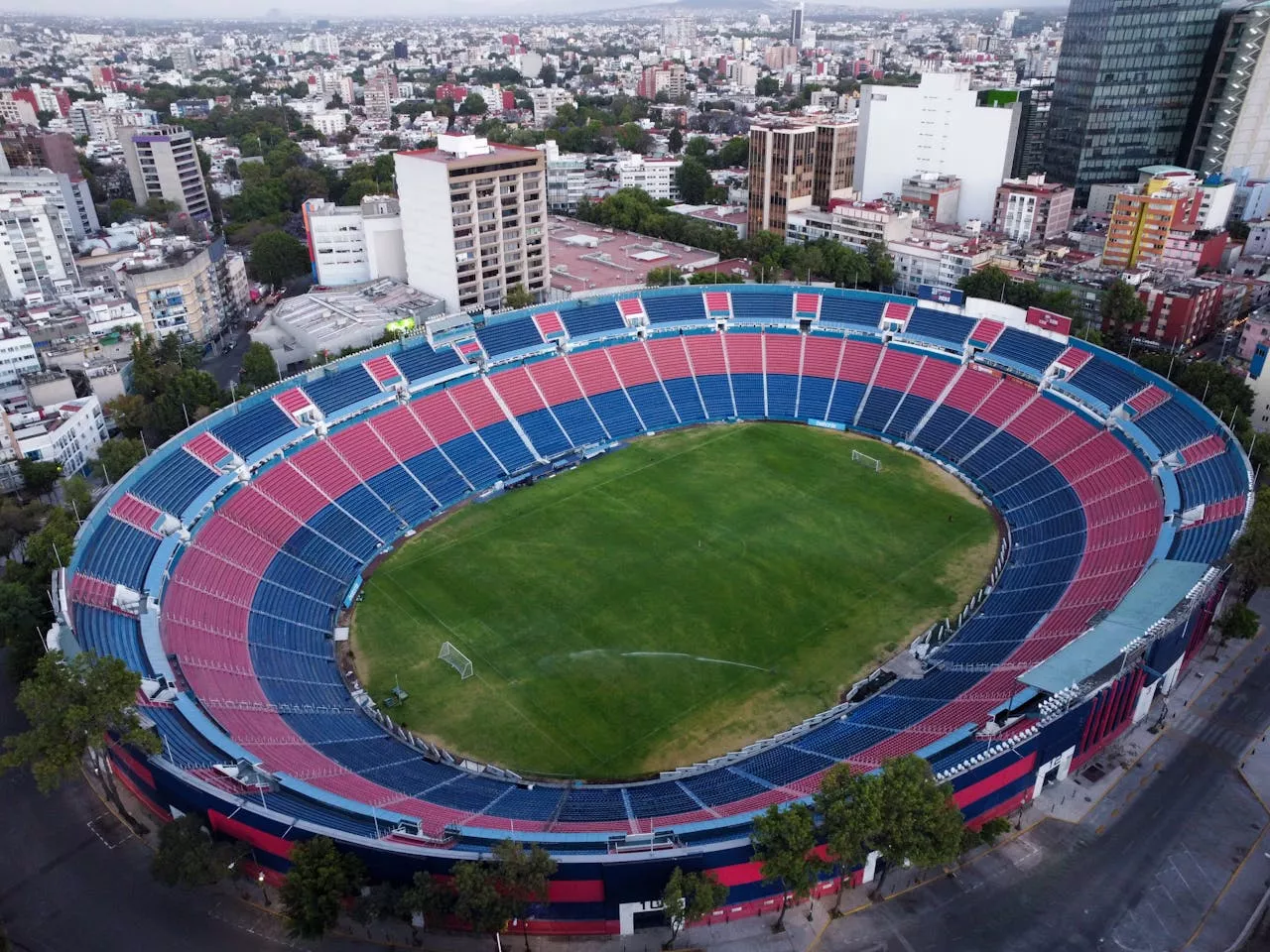
The University of Nebraska System Board of Regents is set to review a landmark proposal on April 24 that could redefine the future of college athletics facilities in the state. The plan, introduced by Nebraska Athletics, is known as the “Big Red Rebuild” and aims to transform Memorial Stadium into a modern, multi-purpose venue while preserving its historic legacy.
The proposal represents more than a typical renovation. It is designed as a comprehensive reimagining of the stadium experience, blending long-standing traditions with forward-looking innovation. Memorial Stadium has been the home of Nebraska football since 1923 and celebrated its 100th anniversary in 2023. Over the decades, it has become one of the most iconic venues in college sports, with fans filling the stadium continuously since 1962. As the program approaches the 2026 season, it is expected to reach an extraordinary milestone of 410 consecutive home sellouts, underscoring the deep connection between the team and its supporters.
Central to the Big Red Rebuild initiative is the voice of Nebraska fans. The project’s vision has been shaped by extensive feedback from supporters across the state, who expressed a desire for improved comfort, accessibility, and overall game-day experience. This input has guided the development of a plan that prioritizes fan needs while ensuring the stadium remains a vibrant and relevant destination for future generations.
The transformation aims to significantly enhance both the physical infrastructure and the overall atmosphere of Memorial Stadium. Planned upgrades include improved seating comfort, better sightlines, and expanded amenities throughout the venue. A key design feature is the integration of the East and West sections of the stadium into a fully connected concourse, allowing for 360-degree circulation. This improvement is expected to make navigation easier and reduce congestion, addressing one of the most common concerns raised by fans.
Once completed, the stadium is expected to accommodate approximately 80,000 spectators. The plan includes the addition of 20,000 new chairback seats to improve comfort, along with 7,000 dedicated seats for students and band members. The relocation and enhancement of the student section is intended to amplify the energy and noise levels within the stadium, creating a more dynamic and competitive environment for Nebraska football games.
Accessibility and convenience are also major priorities. Expanded concession areas and additional restroom facilities are expected to reduce wait times and improve the overall fan experience. Upgraded ADA-compliant features will ensure that the stadium is more inclusive and accessible to all attendees, reinforcing the project’s commitment to serving a diverse audience.
Beyond game days, the Big Red Rebuild envisions Memorial Stadium as a year-round destination for entertainment and community engagement. By expanding its capabilities to host concerts, large-scale events, and other programming, the stadium will play a broader role in the cultural and economic life of the region. This shift is expected to attract new visitors, boost tourism, and contribute to local economic growth.
Financially, the project is structured to avoid reliance on taxpayer funding. Instead, it will be supported through a combination of at least $250 million in philanthropic contributions and $350 million in private bond financing. This funding strategy reflects a commitment to leveraging private investment and community support to achieve a large-scale transformation.
The economic impact of the project is expected to be substantial. Projections indicate that the redevelopment could generate more than 7,300 jobs and deliver an estimated $1.1 billion in statewide economic benefits. Additionally, annual revenue generated by the stadium is anticipated to reach $95 million, representing an increase of more than 40% compared to current levels. These gains are expected to strengthen the financial position of Nebraska Athletics and enhance its ability to compete at the highest levels of collegiate sports.
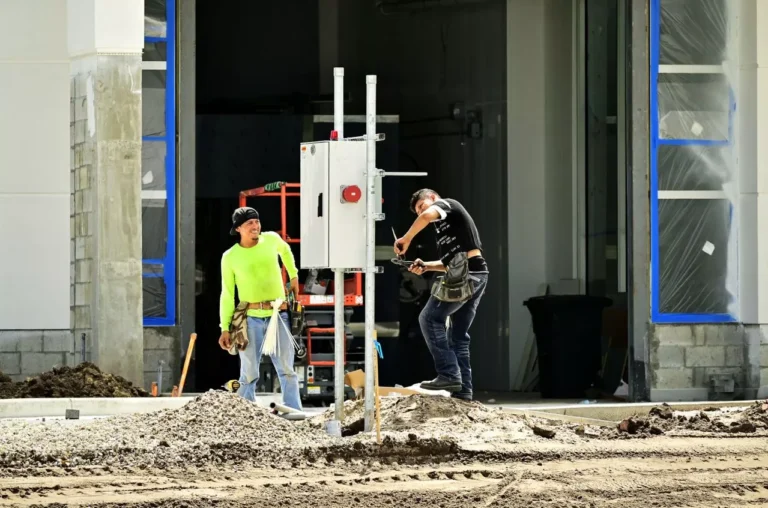
The timeline for the project is ambitious but carefully planned. If approved by the Board of Regents, construction is expected to begin after the conclusion of the 2026 football season. By the 2027 season, the project is projected to be approximately halfway complete, with full completion targeted in time for the 2028 season kickoff. This phased approach is designed to minimize disruption while maintaining progress toward the final vision.
The Big Red Rebuild initiative has evolved significantly from earlier plans. An initial renovation proposal introduced in 2023, with an estimated cost of $450 million, was later paused in 2024 to allow for a comprehensive reassessment. That review identified critical infrastructure needs, including approximately $200 million in deferred maintenance. As a result, the project was expanded and refined into a $600 million plan that not only addresses these essential upgrades but also incorporates new revenue-generating features and long-term strategic benefits.
University leadership has emphasized the broader significance of the project. Paul Kenney described it as an opportunity to make a lasting impact on both the university system and the state as a whole. He highlighted Memorial Stadium as a symbol of Nebraska’s identity and traditions, noting that the renovation will help preserve its legacy while preparing it for the future.
Similarly, Jeffrey P. Gold подчеркнул the project’s importance as a multi-generational investment that supports not only athletics but also the university’s academic mission and student experience. By enhancing facilities, attracting new students, and driving engagement, the redevelopment aligns with the institution’s broader goals of excellence and growth.
Athletic leadership also sees the project as a defining moment. Troy Dannen emphasized that the initiative reflects a commitment to building a best-in-class fan experience while creating new opportunities for student-athletes and generating sustainable revenue streams. He noted that the project positions Nebraska Athletics to remain competitive in an increasingly complex and evolving collegiate sports landscape.
In summary, the Big Red Rebuild represents a bold vision for the future of Memorial Stadium and Nebraska Athletics. By combining tradition with innovation, prioritizing fan experience, and leveraging strategic investment, the project aims to secure the stadium’s place as a premier destination for sports and entertainment for decades to come.
Source Link:https://www.businesswire.com/