As winter approaches with the possibility of snow, sleet, freezing temperatures and unexpected weather, HomeServe is encouraging homeowners to schedule professional furnace inspections before the heating season begins. A routine tune-up can help identify potential problems early, improve system performance and reduce the risk of an unexpected breakdown during the coldest months.
The recommendation comes ahead of National Fall Tune-Up Day, observed annually on September 25. The day highlights the importance of preparing heating and cooling equipment before seasonal demand increases. For homeowners, servicing a furnace before winter can be a relatively simple step toward maintaining a comfortable and safe home.
The 2026–2027 Farmers’ Almanac winter forecast points to varied conditions across the United States, including a wet storm track in the South, cold periods in the North and a combination of rain, sleet and wet snow across the Northeast. The forecast identifies January and February as periods when some areas could experience particularly challenging winter weather.
Such conditions can place additional demands on residential heating systems. Furnaces that have not been inspected or maintained before the start of the season may be more vulnerable to performance problems when they are needed most.
However, many homeowners do not schedule preventive HVAC maintenance. According to a HomeServe survey of HVAC contractors, 43% said most of their customers do not proactively schedule a furnace or HVAC tune-up.
Waiting until a heating system stops working can also create additional difficulties because demand for HVAC technicians typically increases during periods of extreme cold.
HomeServe’s 2026 State of the Home survey highlights the financial challenge associated with unexpected home repairs. The survey found that 22% of American homeowners needed an HVAC repair or replacement during the previous 12 months, making heating and cooling problems one of the commonly reported home emergencies.
At the same time, more than half of homeowners reported having $1,000 or less available for unexpected home repairs. An unplanned furnace repair or replacement can therefore create a significant financial burden, particularly when the problem occurs during the peak winter heating season.
A professional furnace tune-up generally costs between $150 and $300 on average, according to HomeServe. By comparison, homeowners dealing with a repair may also have to pay a service-call fee, which averages approximately $75 to $200, in addition to technician labor and replacement parts.
If a furnace has reached the end of its useful life and requires replacement, the expense can be considerably higher. HomeServe estimates that a complete furnace replacement can cost between approximately $3,800 and $12,000, including equipment, installation and labor.
Regular maintenance can also help homeowners manage heating costs. The U.S. Department of Energy has indicated that proper maintenance can reduce heating and cooling costs by approximately 5% to 10%. Since heating represents a significant portion of residential energy consumption, maintaining the system can contribute to more efficient operation.
A furnace that is dirty, poorly adjusted or experiencing airflow problems may have to work harder to maintain the desired indoor temperature. Routine inspection and cleaning can help technicians identify conditions that could affect performance.
Maintenance can also provide an opportunity to identify smaller problems before they develop into more expensive repairs. Components such as electrical connections, ignition systems, motors and burners can be examined as part of a professional inspection.
The benefits of furnace maintenance extend beyond comfort and energy costs. Heating equipment can present serious safety risks if it is damaged, improperly maintained or operating incorrectly.
According to the National Fire Protection Association, heating equipment was the second-leading cause of U.S. home fires in 2024. Home fires overall accounted for a significant share of fire-related deaths and injuries during the year, highlighting the importance of maintaining equipment that produces heat.
Carbon monoxide is another concern for homes using fuel-burning heating equipment. The Centers for Disease Control and Prevention reports that unintentional carbon monoxide poisoning not related to fires kills more than 400 people in the United States each year and sends more than 100,000 people to emergency departments.
Professional inspection can help identify problems with combustion, ventilation and other furnace components that may contribute to safety risks. Homeowners should also make sure carbon monoxide detectors are installed in appropriate locations and are working properly.
A professional furnace tune-up typically takes about an hour, although the exact time can vary depending on the equipment and whether problems are identified.
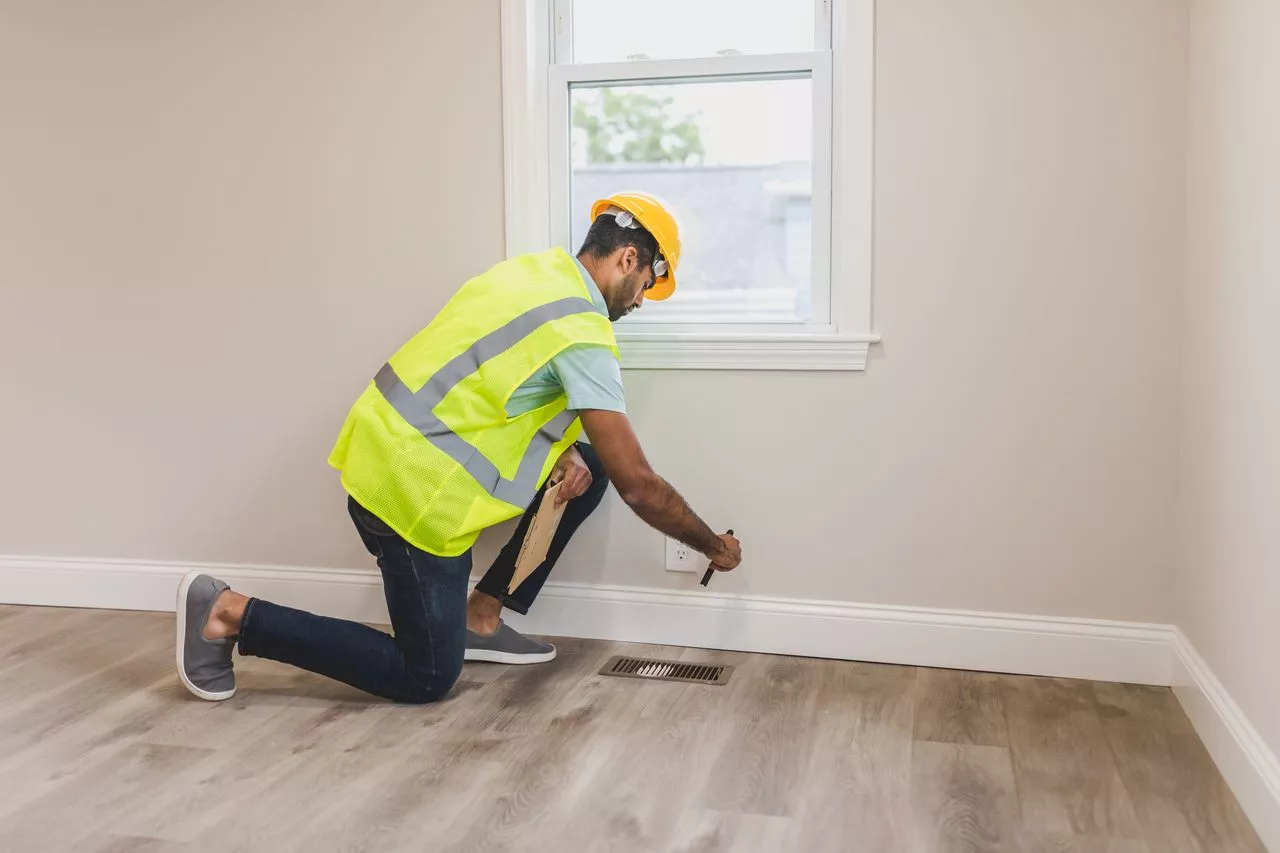
During a standard service visit, an HVAC technician may inspect the furnace’s safety controls, electrical connections and operating components. The technician may also clean important parts of the system, including burners, flue pipes and blower assemblies.
Other components that may be examined include the thermostat, motor, ignition system and condensate lines. Filters may also be replaced when necessary to support proper airflow and indoor air quality.
These checks can give homeowners a better understanding of their heating system’s condition before winter demand reaches its peak.
Scheduling maintenance before the heating season can also help homeowners avoid longer waits for service. HVAC companies often experience increased demand when temperatures fall and heating systems begin operating continuously.
HomeServe’s survey found that 18% of HVAC contractors reported moderate or extended customer wait times during peak heating season. This included 11% that reported customers waiting more than three days or being turned away because of service availability.
Parts availability can create another challenge. According to the survey, 32% of contractors said supply-chain constraints and limited parts availability had a moderate to severe impact on their ability to complete repairs promptly.
For homeowners, addressing potential problems before winter can therefore reduce the possibility of being left without heat while waiting for a technician or replacement component.
A furnace tune-up is one part of broader winter home preparation. Homeowners can also replace or clean filters as recommended, check thermostats, keep vents clear and make sure smoke and carbon monoxide detectors are functioning correctly.
Most importantly, professional maintenance can help identify potential furnace problems before the system is placed under heavy winter demand.
With colder temperatures and unpredictable winter conditions ahead, HomeServe’s message is straightforward: preparing a heating system before the season begins can help homeowners reduce unexpected expenses, support efficient operation and address potential safety concerns before they become emergencies.
For homeowners, National Fall Tune-Up Day on September 25 provides a timely reminder to schedule furnace maintenance and make sure their heating systems are ready for the months ahead.
Source Link:https://www.businesswire.com/