Exterior Elevated Element Inspection in Southern California
Malki Construction, a Southern California–based contractor specializing in Exterior Elevated Element (EEE) inspection, repair, restoration, and reconstruction, has completed projects in all ten counties across the Southern California region. This achievement underscores the firm’s broad geographic reach and deep technical expertise in helping apartment communities and homeowner associations meet California’s evolving building safety standards while enhancing long-term structural performance.
By delivering services across Orange, Los Angeles, Riverside, San Bernardino, Ventura, San Diego, Imperial, Kern, San Luis Obispo, and Santa Barbara counties, the company has established itself as a trusted partner for multifamily property owners navigating complex compliance requirements and environmental challenges unique to the region.
Alignment With California Senate Bills 721 and 326
A central component of Malki Construction’s services is compliance with California Senate Bills 721 and 326, which mandate the inspection and repair of Exterior Elevated Elements in multifamily and condominium properties. These regulations were enacted to address structural safety concerns associated with aging wood-framed balconies, decks, and stair systems.
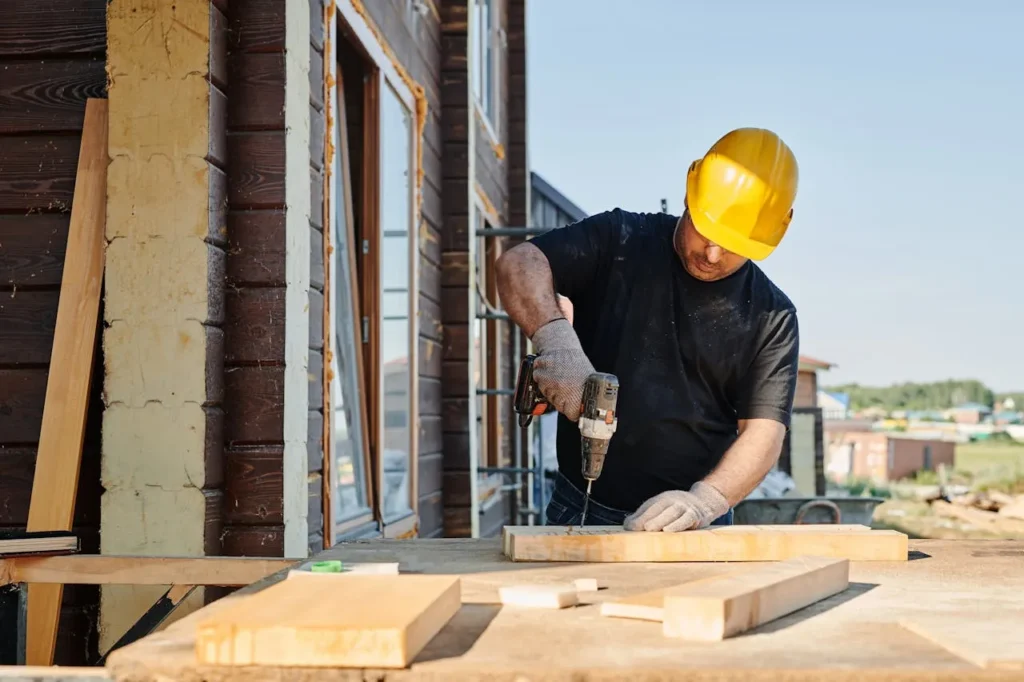
The company provides comprehensive compliance solutions that extend beyond minimum regulatory standards. While meeting statutory deadlines and documentation requirements is essential, Malki Construction focuses equally on improving durability, structural integrity, and asset longevity. This approach helps property owners not only avoid penalties and liability exposure but also strengthen the long-term resilience of their buildings.
Comprehensive Scope of Completed Work
Across Southern California, Malki Construction has completed hundreds of balcony and deck reconstructions, upgraded thousands of structural connectors and fasteners, and installed miles of advanced waterproof membrane systems. These projects reflect extensive collaboration with structural engineers, architects, HOA boards, property managers, municipal building departments, and residents.
The firm’s portfolio demonstrates the scale and complexity of Exterior Elevated Element rehabilitation. Many projects require phased construction schedules to minimize disruption to residents while maintaining strict adherence to safety protocols. Through disciplined planning and coordination, the company ensures projects remain on schedule while meeting or exceeding current California building codes.
Understanding Exterior Elevated Elements and Their Risks
Exterior Elevated Elements are typically wood-framed assemblies that extend beyond the primary building envelope and are designed to support human occupancy. These include balconies, decks, elevated walkways, landings, and stair systems. Because they are exposed to environmental conditions on multiple surfaces, they are particularly vulnerable to deterioration.
In Southern California, environmental stressors significantly accelerate degradation. Persistent ultraviolet radiation weakens protective coatings and breaks down exposed materials. Coastal salt air contributes to the corrosion of metal connectors and fasteners. Moisture intrusion, often caused by failed flashing or waterproofing systems, leads to concealed dry rot within framing cavities. Thermal expansion, pollution-related corrosion, and seismic forces further compound structural stress.
A critical challenge is that much of the damage remains hidden until invasive inspections are conducted. Structural decay within ledger boards, rim joists, and cantilevered beam ends often progresses unnoticed behind stucco cladding or interior finishes. By the time surface symptoms appear, significant internal deterioration may already be present.
Recurring Structural Failure Points Identified in the Field
Through experience across hundreds of properties, Malki Construction has identified recurring patterns of failure in Exterior Elevated Elements. Ledger boards that secure balconies and decks to primary structures frequently deteriorate when flashing systems fail, allowing water to infiltrate behind exterior finishes. This moisture often leads to hidden rot within rim joists and adjacent framing members.
Cantilevered balconies present additional risks when beam penetrations through the building envelope are not adequately sealed. Over time, compromised waterproofing allows moisture to migrate into structural components, weakening the assembly. Plywood substrates also deteriorate when aging coatings fail under prolonged ultraviolet exposure and standing water conditions.
Guardrail systems are another area of concern. Older installation methods that embed guardrail posts directly into framing frequently show corrosion at critical connection points. Exterior stair systems often exhibit decay at stringer bases and landing interfaces where water exposure is persistent, and drainage is insufficient.
Identifying these vulnerabilities early allows for targeted intervention before structural integrity is significantly compromised.
Structured Evaluation and Decision-Making Process
A defining aspect of Malki Construction’s methodology is its disciplined evaluation process. Each project begins with invasive inspection and structural probing to assess concealed decay. This thorough assessment informs whether localized rehabilitation or full reconstruction is the most appropriate course of action.
When deterioration is limited to isolated components, crews may reinforce compromised joists, replace corroded hardware with stainless steel or hot-dipped galvanized connectors, upgrade flashing systems, and install modern waterproof membrane assemblies. These targeted repairs can extend the service life of the structure while controlling costs.
However, when systemic degradation is identified, complete removal and reconstruction often represent the safest and most cost-effective long-term solution. Full reconstruction typically includes demolition of existing assemblies, replacement of ledger boards and framing, installation of guardrail systems that meet current load and height standards, correction of improper drainage slopes, and integration of seismic anchoring enhancements in coordination with design professionals.
Tailored Strategies for Southern California Microclimates
Southern California’s diverse microclimates require project-specific material selection and installation strategies. Coastal counties such as San Diego, Orange, Santa Barbara, and San Luis Obispo demand enhanced corrosion resistance due to marine air exposure. Stainless steel hardware and advanced protective coatings are often necessary to mitigate salt-induced degradation.
Inland counties, including Riverside, San Bernardino, Imperial, and Kern,n face extreme heat and ultraviolet cycling that accelerate surface breakdown. Waterproof membranes and coatings must be selected for superior UV stability and thermal tolerance. Urban environments introduce pollution-related corrosion variables, while hillside properties require specialized drainage planning to prevent water intrusion and soil-related moisture migration.
By adapting structural specifications and waterproofing systems to local environmental conditions, Malki Construction enhances durability and reduces future maintenance burdens.
Illustrative Regional Project Examples
Recent projects highlight the geographic and technical diversity of the firm’s work. In Orange County, a coastal apartment community built in the mid-1970s required replacement of thirty-six cantilevered balconies after inspections revealed severe salt-driven corrosion and concealed dry rot. The phased reconstruction included full ledger replacement, stainless steel hardware upgrades, and marine-grade waterproofing systems.
In Los Angeles County, a hillside condominium association underwent structural reinforcement of stair and deck systems, including seismic upgrades and improved moisture management detailing. In Riverside County, a ninety-six-unit apartment property required replacement of fifty-two elevated walkways where improper slope had caused chronic ponding and accelerated plywood substrate failure. The redesigned system incorporated corrected drainage, upgraded guardrails, and comprehensive structural replacement.
Exterior Elevated Elements as Asset Protection
While regulatory mandates have accelerated inspection and repair cycles statewide, Malki Construction emphasizes that Exterior Elevated Element rehabilitation should be viewed as a proactive asset management strategy. Properly designed and constructed balconies, decks, and stair systems enhance resident safety, reduce liability exposure, preserve property value, and extend building service life.
Integrating corrosion-resistant hardware, advanced flashing systems, UV-resistant coatings, and improved drainage detailing significantly reduces long-term structural risk. Proactive rehabilitation minimizes emergency repairs, limits insurance complications, and supports stable property operations.
Commitment to Long-Term Structural Resilience
As aging multifamily housing stock across Southern California continues to undergo renewed scrutiny, Malki Construction remains focused on advancing preventative maintenance practices and integrating advanced moisture detection technologies. By combining rigorous inspection protocols, engineering collaboration, and climate-adapted construction techniques, the firm delivers durable structural solutions capable of withstanding the region’s demanding environmental conditions.
Through its completion of projects in all ten Southern California counties, Malki Construction demonstrates both technical capability and regional commitment—supporting safer communities and more resilient multifamily properties throughout the region.
Source Link: https://www.pr.com/