A growing coalition of Canadians is urging the federal government to permanently protect 9,300 acres of ecologically significant land in Ontario through the creation of “The New Rouge,” an initiative that would expand Rouge National Urban Park and establish the largest single urban national park in North America. Advocates argue that preserving the lands would safeguard endangered wildlife habitat, prime agricultural land, and critical greenspace while providing lasting environmental, social, and economic benefits for future generations.
The campaign has emerged as a nationwide effort to secure the future of the Pickering Federal Lands, a vast tract of land located near one of Canada’s fastest-growing urban regions. Supporters believe the lands represent a unique opportunity to strengthen conservation efforts, improve access to nature, and create a model for sustainable land stewardship in a rapidly urbanizing landscape.
The New Rouge campaign is being led by the Waterfront Regeneration Trust in partnership with Friends of Rouge National Urban Park and Land Over Landings. Together, these organizations are advocating for the transfer of the Pickering Federal Lands into Rouge National Urban Park, Canada’s first national urban park.
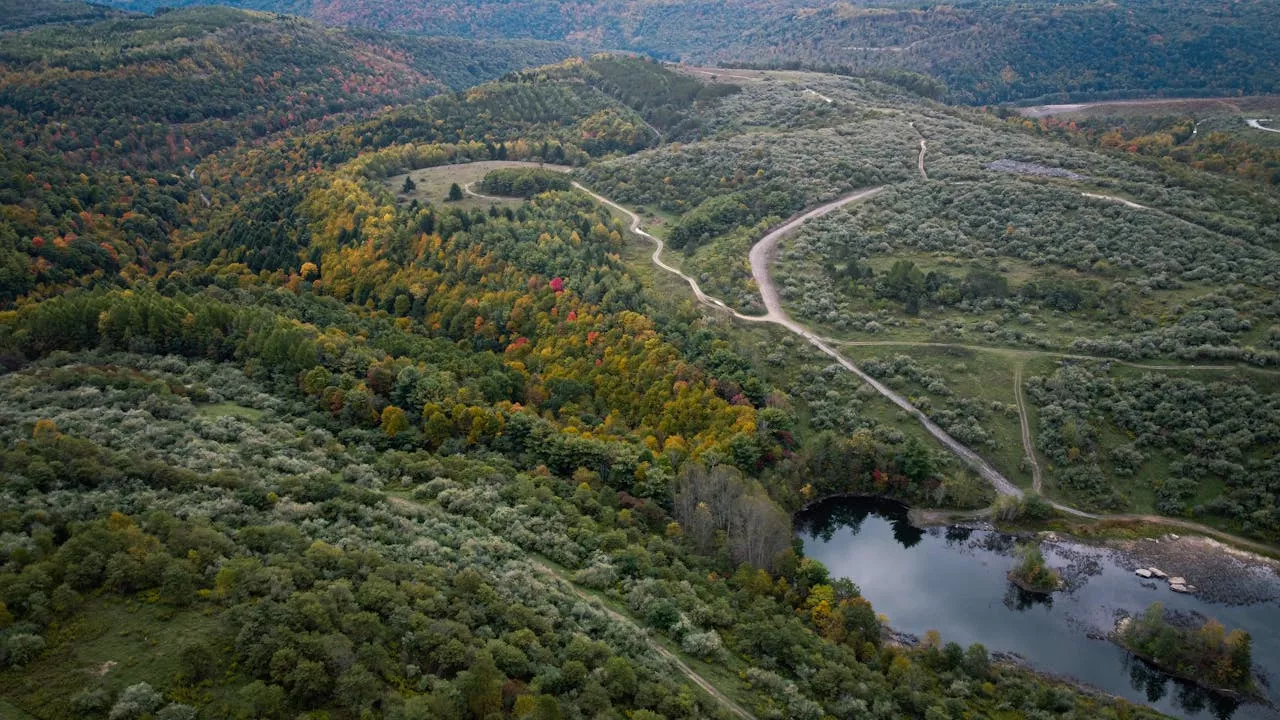
At the heart of the proposal is a comprehensive vision known as “Shared Vision,” developed by internationally recognized urban designer Ken Greenberg and landscape architecture firm SLA. The plan outlines an integrated approach to incorporating the Pickering lands into the existing park system, creating a connected network of forests, wetlands, farmland, trails, and natural habitats.
Supporters of the initiative say the proposal would not only protect valuable ecosystems but also strengthen connections between communities and nature. By expanding the boundaries of Rouge National Urban Park, the project would create one of the largest protected urban green corridors in North America, offering recreational opportunities and environmental benefits for millions of residents in the Greater Toronto Area and beyond.
The campaign arrives at a pivotal moment for the future of the Pickering Federal Lands. More than 50 years ago, the federal government expropriated the land for the proposed construction of a major airport. The project generated significant public opposition, with local residents, environmental advocates, and community groups raising concerns about the destruction of forests, farmland, and wildlife habitat.
Over the decades, sustained citizen activism helped prevent the airport from moving forward. In January 2025, the federal government officially announced that the airport project would never be built, bringing an end to decades of uncertainty surrounding the site.
That decision created what conservation groups describe as a once-in-a-generation opportunity to permanently protect the land and establish a lasting environmental legacy. Rather than reopening the area to large-scale development, campaign organizers are calling on the government to designate the entire property as part of Rouge National Urban Park.
Environmental advocates argue that the lands possess exceptional ecological value. The area contains a diverse mix of habitats that support wildlife populations and contribute to regional biodiversity. It also serves as a critical ecological corridor connecting existing protected areas and helping species move across the landscape.
In addition to its environmental significance, the land includes some of the region’s most productive agricultural soils. Preserving these farmlands would support local food production while protecting an increasingly scarce resource. As urban expansion continues to place pressure on agricultural areas across Canada, supporters say safeguarding prime farmland has become an urgent national priority.
The campaign also aligns closely with the federal government’s broader environmental objectives. Canada has recently strengthened its commitments to biodiversity conservation, ecosystem restoration, and improved public access to nature through initiatives such as the Force of Nature program. Advocates contend that transferring the Pickering Federal Lands into Rouge National Urban Park would directly support these goals while demonstrating meaningful action toward national conservation targets.
Proponents of The New Rouge initiative argue that the benefits of protection extend beyond environmental concerns. Access to natural spaces has been increasingly recognized as an important factor in supporting public health, mental well-being, and community resilience. Expanding protected greenspace near major population centres would provide millions of Canadians with opportunities for recreation, education, and connection with nature.
At the same time, campaign organizers warn that the lands remain vulnerable to future development proposals. Some have raised concerns that portions of the property could eventually be targeted for industrial, commercial, or warehouse development. Such projects, they argue, would permanently alter the landscape and eliminate opportunities for conservation.
Supporters maintain that converting any portion of the lands into large-scale commercial developments would overlook decades of public advocacy aimed at protecting the area. They believe doing so would sacrifice a rare opportunity to create a lasting environmental asset in exchange for short-term economic gains.
Ken Greenberg, one of the principal architects behind the Shared Vision proposal, emphasized the importance of acting now before the opportunity is lost. He noted that across Canada, valuable wildlife habitat and productive farmland continue to disappear due to development pressures, making the preservation of the Pickering Federal Lands increasingly significant.
According to Greenberg, transferring the lands to Rouge National Urban Park represents a rare chance to protect an irreplaceable public resource while creating long-term benefits for future generations. He also highlighted the widespread public support the initiative has received from Canadians who recognize the importance of preserving natural landscapes and agricultural resources.
For many supporters, The New Rouge represents more than a local conservation project. It has become a symbol of how Canada can balance growth, environmental protection, and community well-being in the decades ahead. By preserving the Pickering Federal Lands, advocates believe the country can demonstrate leadership in sustainable land management while creating a legacy that benefits both people and nature.
As the federal government considers the future of the lands, campaign organizers continue to mobilize support from communities across Canada. Their message is clear: the Pickering Federal Lands offer a unique opportunity to protect wildlife habitat, preserve prime farmland, and expand public access to nature before these irreplaceable resources are lost to development.
With increasing public attention focused on conservation and climate resilience, the decision surrounding The New Rouge could become one of the most significant urban environmental initiatives in Canada’s recent history.
Source Link:https://www.businesswire.com/