With the 2026 Atlantic hurricane season set to begin in just a few weeks, the Insurance Information Institute (Triple-I) is urging homeowners, renters, condo owners, and business operators across hurricane-prone regions to begin preparing now for the potential impacts of severe storms, flooding, and wind damage. As climate risks continue to intensify and coastal populations grow, experts stress that early preparation remains one of the most effective ways to reduce financial losses and improve community resilience.
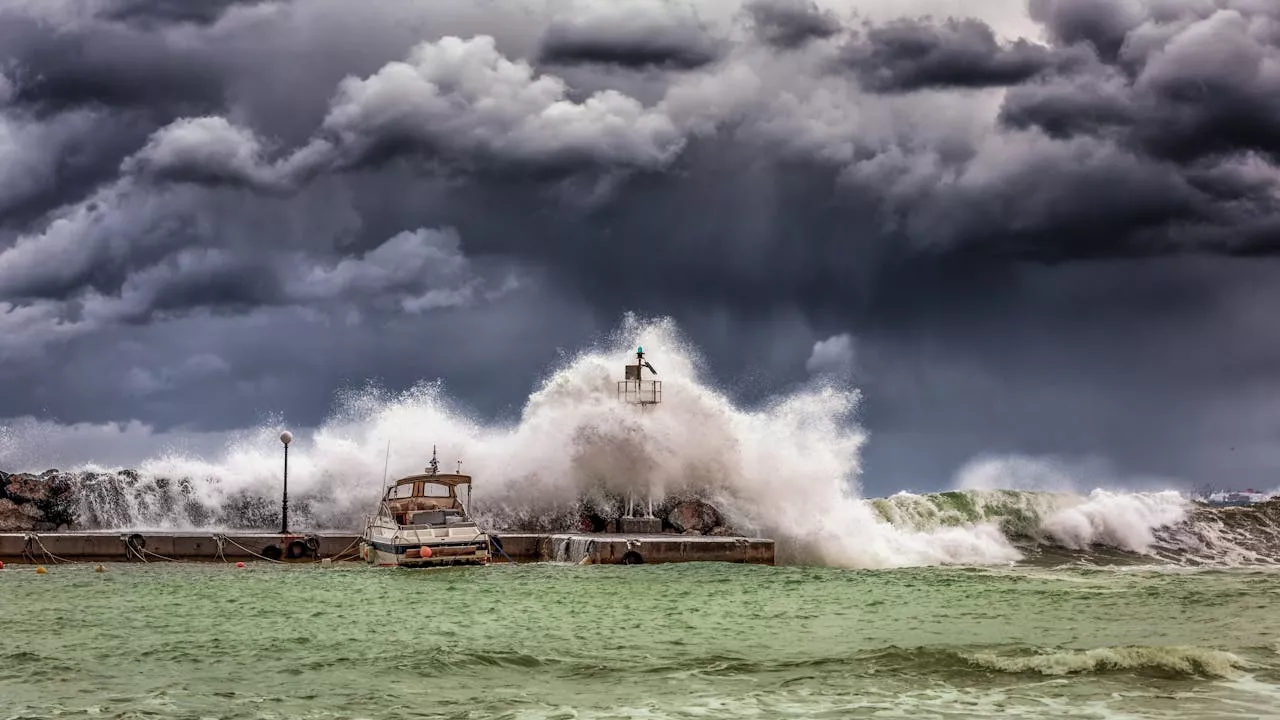
The Atlantic hurricane season officially runs from June 1 through November 30, a six-month period that historically brings powerful tropical storms and hurricanes capable of causing widespread property destruction, infrastructure disruption, and economic losses across the Gulf Coast, East Coast, and inland regions of the United States.
According to forecasts from Colorado State University’s TC-RAMS Team, led by senior research scientist Dr. Phil Klotzbach, the 2026 season is expected to be “slightly below average” compared to historical activity levels. Researchers predict the formation of 13 named storms, including six hurricanes and two major hurricanes classified as Category 3 or higher.
While the projected storm count falls slightly below long-term averages, experts caution that even a relatively quiet hurricane season can still produce devastating outcomes if a major storm makes landfall in heavily populated areas.
“A below-average forecast does not mean communities are safe from hurricane impacts,” said Triple-I CEO Sean Kevelighan. “History has shown that it only takes one powerful storm to create catastrophic damage and long-term disruption for families, businesses, and local economies.”
The warning comes as the National Oceanic and Atmospheric Administration (NOAA) prepares to launch National Hurricane Preparedness Week, observed from May 3 through May 9. The annual initiative encourages residents in vulnerable regions to review emergency plans, strengthen their homes, and ensure they have appropriate insurance protection before storms begin forming.
Triple-I emphasized that preparedness today extends beyond simply stocking emergency supplies. Financial readiness, insurance awareness, and property resilience have become increasingly important as rebuilding costs continue to rise nationwide.
One of the organization’s primary recommendations for 2026 is for property owners to carefully review their insurance coverage before hurricane season begins. Rising construction material prices, labor shortages, and inflation have significantly increased rebuilding expenses in many parts of the country, meaning homeowners who have not updated their policies recently may find themselves underinsured after a major storm.
Kevelighan advised policyholders to schedule annual reviews with insurance professionals to confirm they carry sufficient coverage for their homes, belongings, and temporary living expenses if evacuation or severe damage makes a property uninhabitable.
“With replacement costs increasing across the construction industry, many homeowners may not realize how much it would actually cost to fully rebuild their property today,” Kevelighan explained. “Reviewing your coverage now can help avoid major financial gaps later.”
Triple-I recommends starting the review process by examining the declarations page of an insurance policy, which outlines coverage limits, deductibles, and claim payment details. Understanding what is covered — and what is not — is essential before a storm threatens a community.
Standard homeowners insurance policies generally provide protection against wind damage caused by hurricanes and tropical storms, including structural damage to homes and personal belongings. However, many policyholders are unaware that flood damage is typically not covered under standard property insurance.
Flooding remains one of the most dangerous and costly consequences of hurricanes. Storm surge, heavy rainfall, and inland flooding often produce billions of dollars in damages, even in areas located far from coastlines. According to Triple-I, nearly 90% of all natural disasters in the United States involve some form of flooding.
Because of this, experts strongly encourage homeowners, renters, and businesses to consider purchasing separate flood insurance policies. Flood coverage is available through FEMA’s National Flood Insurance Program (NFIP) as well as a growing number of private insurance providers.
Importantly, flood insurance policies often require waiting periods before coverage becomes active, meaning residents should not wait until a storm is approaching to purchase protection.
In recent years, hurricanes have increasingly produced catastrophic inland flooding events that affect communities well beyond traditional coastal evacuation zones. Triple-I noted that many residents mistakenly assume they are not at risk because they do not live directly on the coast.
“Flooding can happen almost anywhere,” Kevelighan said. “Many people who experience flood damage after hurricanes are outside high-risk flood zones and may not realize they need coverage until it’s too late.”
Vehicle protection is another major concern during hurricane season. Triple-I recommends that drivers review their automobile insurance policies to ensure they carry comprehensive coverage, which protects vehicles against non-collision events such as flooding, hail, falling trees, wind damage, and fire.
Comprehensive auto coverage is optional, but it can provide critical financial protection during hurricanes when parked vehicles are vulnerable to flooding and debris damage. Industry data shows that nearly 80% of U.S. drivers currently carry comprehensive coverage on their vehicles.
Beyond insurance protection, Triple-I encourages residents to document personal belongings and household contents before storms arrive. Creating a home inventory using photographs or video recordings can significantly simplify the insurance claims process if damage occurs.
A detailed inventory helps homeowners and renters estimate the value of their possessions and determine whether current coverage limits are sufficient. Electronics, furniture, appliances, clothing, and other personal belongings can add up to substantial replacement costs after a major disaster.
Experts recommend storing inventory records digitally or in cloud-based systems so they remain accessible even if physical property is damaged or destroyed.
In addition to financial preparedness, Triple-I emphasized the importance of improving property resilience through preventative maintenance and structural upgrades. Simple mitigation efforts can help reduce damage during severe storms and may even lower insurance costs in some cases.
Recommended upgrades include installing roof tie-downs, impact-resistant windows, storm shutters, reinforced garage doors, and other wind-resistant building features. Property owners are also encouraged to inspect roofs annually using licensed and bonded contractors to identify vulnerabilities before hurricane season begins.
Roof damage remains one of the most common and expensive forms of hurricane-related property loss. Even minor structural weaknesses can lead to major water intrusion and costly repairs when exposed to hurricane-force winds and heavy rainfall.
As more Americans continue moving into coastal and hurricane-prone regions, disaster preparedness has become increasingly critical for both individuals and communities. Population growth, rising property values, and climate-related weather risks have significantly increased the financial exposure associated with hurricanes over the past several decades.
Triple-I officials stressed that proactive preparation can help families recover faster, reduce financial stress, and improve overall safety during hurricane season.
“Preparedness is about protecting both lives and livelihoods,” Kevelighan said. “Taking action before storms develop gives families, businesses, and communities the best opportunity to withstand whatever the 2026 hurricane season may bring.”
Although forecasts suggest slightly below-average activity this year, experts continue to remind residents that hurricane risk cannot be measured solely by storm counts. A single major hurricane can reshape communities and create lasting economic impacts for years.
For that reason, insurance professionals, emergency management officials, and weather experts all agree on one message heading into the 2026 season: preparation should begin now, long before the first storm appears on the radar.
Source Link:https://www.businesswire.com/