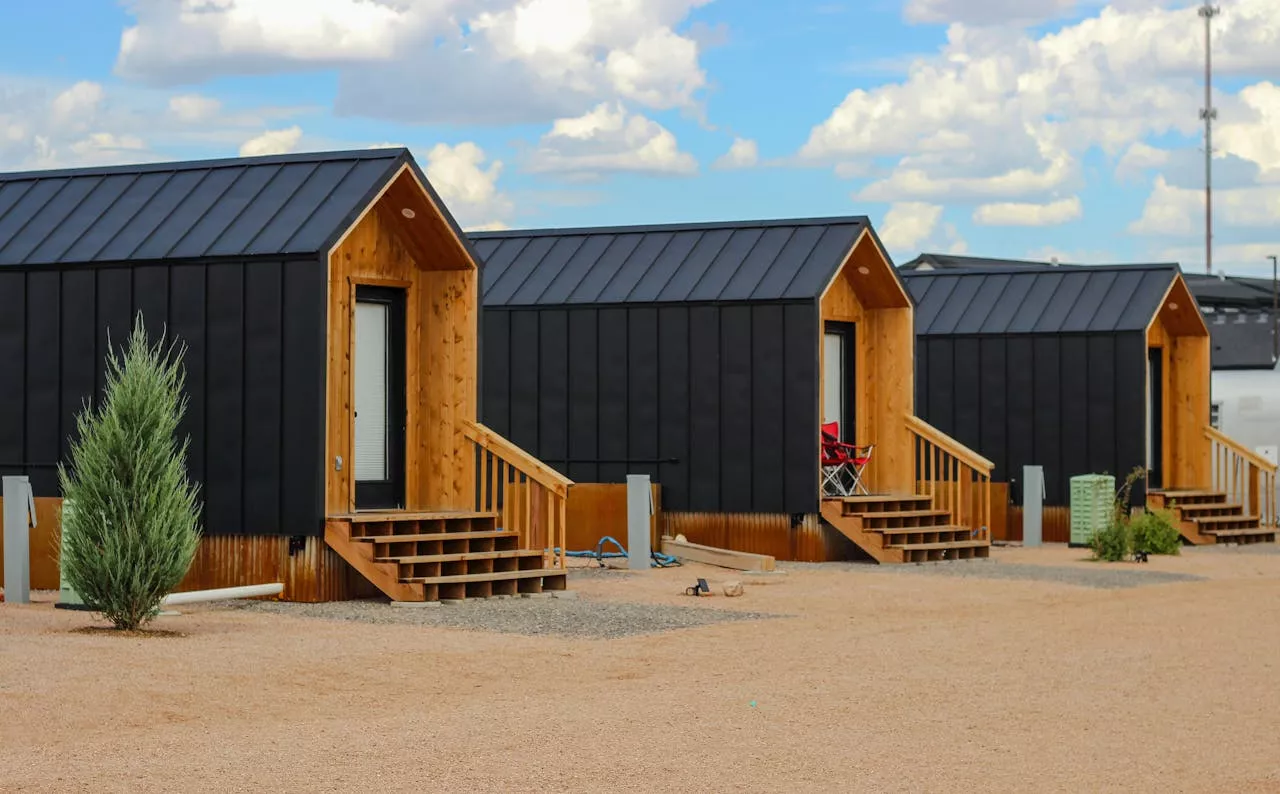
Azure Printed Homes, a fast-growing innovator in factory-built and resilient housing solutions, has officially opened a new 25,000-square-foot manufacturing facility in Northeast Denver. The launch of this advanced production site marks a significant milestone for the company as it seeks to scale up the delivery of affordable, sustainable, and disaster-resistant housing to meet rising demand across Colorado and other regions of the United States.
The newly inaugurated facility reflects Azure Printed Homes’ broader strategy of leveraging cutting-edge construction technologies to address the ongoing housing shortage. With affordability and resilience becoming increasingly critical concerns—particularly in areas prone to wildfires and extreme weather—the company is positioning itself at the forefront of next-generation homebuilding solutions.
The Denver plant integrates advanced 3D printing systems with light-gauge steel fabrication, powered by FrameCAD technology. This combination enables the rapid production of durable housing units that are both cost-efficient and environmentally responsible. By utilizing recycled materials and precision manufacturing techniques, the company is able to reduce waste, lower construction costs, and deliver homes that are designed for long-term performance. The use of steel framing, in particular, enhances structural integrity and improves resistance to fire, pests, and harsh weather conditions, making these homes well-suited for modern climate challenges.
The opening ceremony was attended by key government officials, including Jared Polis, who joined state and local leaders in recognizing the significance of the investment. Governor Polis highlighted the importance of embracing innovative construction approaches as part of a broader strategy to tackle housing affordability issues. He emphasized that while there is no single solution to the housing crisis, adopting new technologies and expanding production capacity are essential steps toward increasing supply and reducing costs for residents.
According to state officials, the facility is expected to create approximately 50 well-paying jobs once it reaches full operational capacity. These roles will span manufacturing, engineering, and operational support, contributing to the local economy while also supporting the growth of Colorado’s advanced construction sector. The project aligns with the state’s ongoing efforts to foster job creation while addressing critical infrastructure needs.
Azure Printed Homes’ decision to expand into Colorado is closely tied to the state’s proactive policy environment, which has been designed to encourage innovation in housing development. A number of recent legislative and funding initiatives have made Colorado an attractive destination for companies working in modular, prefabricated, and factory-built housing.
Among these initiatives is Proposition 123, also known as the Affordable Housing Financing Fund, which provides financial support for projects aimed at increasing housing supply. The company recently secured a $3.895 million loan through this program, helping to fund the development of the Denver facility. This investment underscores the state’s commitment to backing scalable solutions that can accelerate housing production.
In addition to Proposition 123, other policy measures have played a role in attracting Azure’s investment. These include the Innovative Housing Incentive Program, which encourages the adoption of alternative construction methods, and new legislation aimed at simplifying the regulatory environment for modular housing. Notably, the 2024 Accessory Dwelling Unit (ADU) law has expanded opportunities for additional housing units in residential areas, while SB 25-002 has streamlined approval processes for factory-built homes. Together, these measures reduce barriers to entry and enable faster deployment of new housing solutions.
Gene Eidelman, co-founder and CEO of Azure Printed Homes, noted that Colorado’s forward-thinking approach to housing policy was a key factor in the company’s expansion decision. He emphasized that the new facility allows Azure to bring its agile manufacturing platform closer to communities that urgently need housing. By producing homes locally, the company can reduce transportation costs, shorten delivery timelines, and respond more effectively to regional demand.
Eidelman also pointed out that the company’s approach is particularly well-suited to addressing a range of housing challenges, including workforce housing shortages and homelessness. Factory-built homes can be produced at scale and deployed quickly, making them an effective solution for municipalities and organizations seeking to provide safe, affordable living spaces in a timely manner.
The broader housing market context further underscores the importance of initiatives like this. Colorado, like many other states, has experienced significant population growth in recent years, leading to increased pressure on housing supply. Rising construction costs, labor shortages, and regulatory complexities have made it difficult to keep pace with demand using traditional building methods. As a result, alternative approaches such as prefabrication and 3D printing are gaining traction as viable ways to bridge the gap.
Azure Printed Homes’ new Denver facility represents a tangible step toward addressing these challenges. By combining technological innovation with supportive public policy, the company is helping to redefine how housing can be produced in the 21st century. The focus on resilience is particularly noteworthy, as communities across the country face increasing risks from natural disasters. Homes built with fire-resistant materials and robust structural systems can provide greater safety and long-term value for residents.
Looking ahead, the company is expected to continue expanding its footprint as demand for factory-built housing grows. The Denver facility serves as both a production hub and a demonstration of what is possible when advanced manufacturing is applied to residential construction. It also highlights the role that collaboration between the public and private sectors can play in solving complex societal challenges.
In summary, the opening of Azure Printed Homes’ 25,000-square-foot manufacturing facility in Denver marks a significant advancement in the effort to deliver affordable, resilient housing at scale. Supported by innovative technology, strategic investment, and a favorable policy environment, the facility is poised to make a meaningful impact on housing availability in Colorado and beyond.
Source Link:https://www.businesswire.com/