
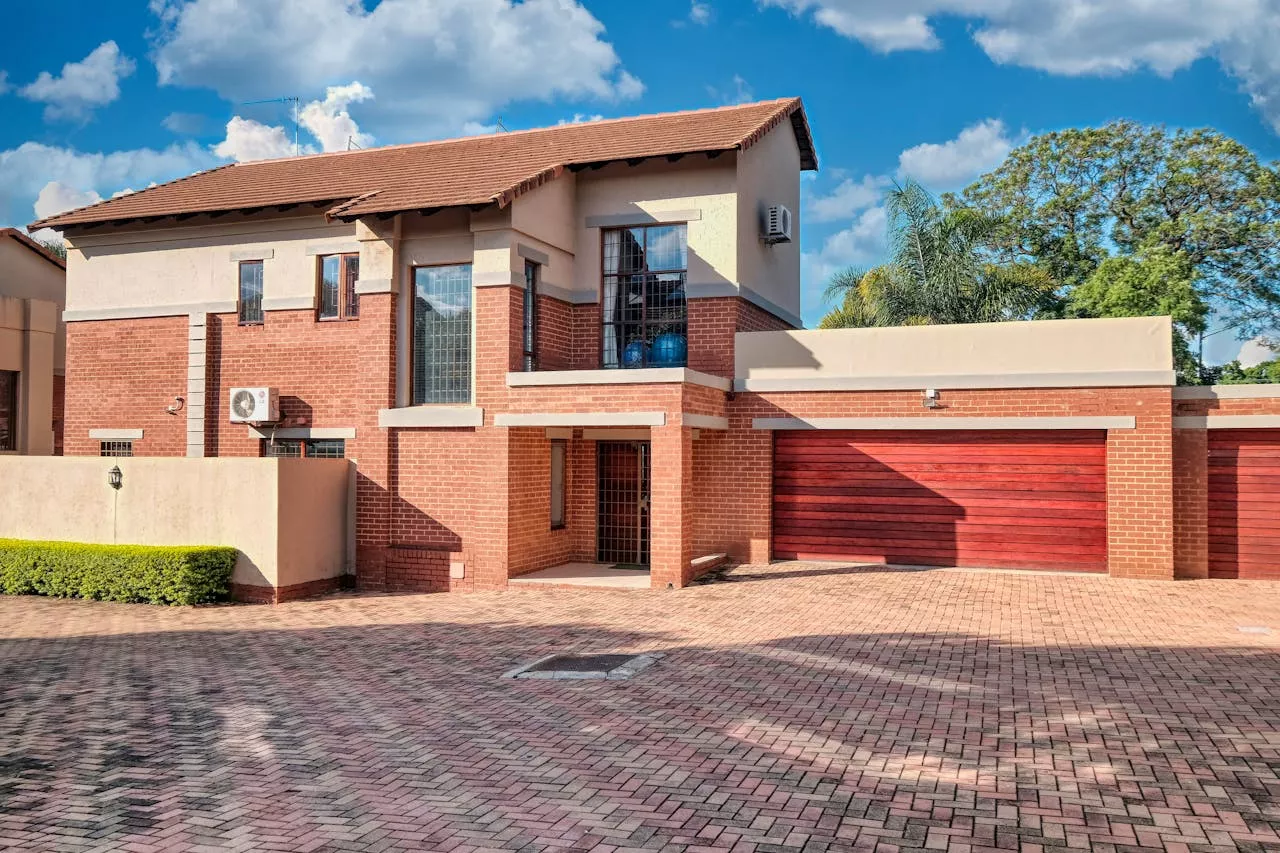
A new report from Redfin reveals a significant shift in the U.S. housing market, with more than half of all home listings lingering unsold for extended periods. According to the analysis, 52.2% of homes listed in February remained on the market for at least 60 days without going under contract. This marks an increase from 50.1% during the same period last year and represents the highest level recorded for the month since 2019.
The findings are based on a long-term analysis of listings on Redfin’s platform, with data tracked back to 2012. Because housing trends are highly seasonal, the report compares February figures year over year to provide a clearer understanding of market dynamics. The rise in “stale” listings—homes sitting on the market for prolonged periods—highlights a growing imbalance between supply and demand.
In monetary terms, the scale of unsold inventory is substantial. There is currently an estimated $347 billion worth of stale housing inventory across the United States. This represents a 4.3% increase compared to the previous year and is the highest value ever recorded for this time of year. The surge is largely attributed to a widening gap between the number of sellers and buyers, resulting in homes taking longer to sell.
Looking at the broader housing inventory, the total value of all homes for sale stands at approximately $636 billion. While this figure remains relatively unchanged year over year, it is still near record highs for February. The only exception was 2025, when the value was marginally higher by just 0.01%. The persistently high inventory levels reflect ongoing market conditions where supply continues to outpace demand.
One of the most striking factors contributing to this trend is the imbalance between sellers and buyers. Currently, there are an estimated 630,000 more home sellers than buyers in the market. This oversupply is a key driver behind longer listing times and the growing volume of stale inventory.
Several underlying factors are shaping this market environment. Homebuying demand has slowed considerably, with U.S. home sales declining by 3.1% compared to the previous year. Potential buyers are facing a combination of high mortgage rates and elevated home prices, making affordability a significant challenge. Additionally, broader economic uncertainties—including concerns about inflation, job security, and global geopolitical tensions—are causing many buyers to hesitate before making large financial commitments.
On the supply side, home selling activity remains relatively steady. The total number of homes for sale has increased by 1.5% year over year. While some sellers have chosen to withdraw their listings due to slower market conditions, many continue to list their properties in hopes of capitalizing on still-high home values. This persistence among sellers is further contributing to the imbalance.
Another notable trend is the increasing amount of time homes are spending on the market. The typical property that went under contract in February took 66 days to do so, marking the slowest pace for this time of year in over a decade. This extended timeline underscores the challenges sellers are facing in securing buyers.
Despite slower sales activity, home prices have continued to rise modestly. The median home-sale price is up approximately 1% compared to last year. While this increase may seem small, it has a meaningful impact on the overall value of housing inventory. Higher prices contribute to the rising dollar value of both total inventory and stale listings.
Industry professionals note that seller expectations are playing a role in prolonging listing times. Many homeowners are aware that the market has shifted in favor of buyers, yet they still aim to achieve the highest possible sale price. As a result, properties are often listed at the upper end of the price range, with the expectation that buyers will negotiate downward. However, this strategy can backfire, leading to homes sitting unsold for longer periods.
In many cases, properties ultimately sell below their asking price. While there are still opportunities for buyers to secure favorable deals, overly ambitious pricing can deter interest altogether. In some instances, sellers may be forced to withdraw their listings after several months if they are unable to attract viable offers.
The prevalence of stale listings varies significantly by location. In Miami, nearly two-thirds (62.6%) of home listings fall into the stale category, the highest share among major metropolitan areas. Other cities with high levels of stale inventory include San Antonio (58.3%), Pittsburgh (58.1%), and West Palm Beach (55.9%). These markets are characterized by a significant surplus of sellers relative to buyers, often with more than twice as many homes available as there are active purchasers.
In contrast, markets in the Bay Area exhibit much lower levels of stale inventory. San Jose has the smallest share at just 19.8%, followed by San Francisco at 24% and Oakland at 31.1%. Other relatively balanced markets include Anaheim (34%) and Seattle (34.1%). In these areas, the gap between sellers and buyers is much narrower, contributing to faster sales and fewer stale listings.
The rise in stale inventory presents challenges for sellers, as homes that remain on the market for extended periods can become less attractive to buyers. Prolonged listing times may raise concerns about pricing or property condition, further reducing demand.
To address this issue, Redfin has partnered with Compass to introduce phased marketing strategies. This approach allows sellers to test the market before fully listing their homes. Properties can be showcased without displaying days on market, price history, or valuation estimates, enabling sellers to gauge buyer interest and refine pricing strategies early in the process.
This method offers several potential benefits. By testing pricing strategies in advance, sellers may reduce the likelihood of their listings becoming stale. Overpricing a property—particularly by 10% or more—can significantly increase the time it takes to sell, sometimes by more than a month. Phased marketing also helps minimize the risk of future price reductions, which can negatively impact a property’s perceived value.
Overall, the report highlights a shifting housing market where buyers hold greater leverage, and sellers must adapt to changing conditions. With inventory levels rising and demand remaining subdued, strategic pricing and flexible marketing approaches will be critical for homeowners looking to sell efficiently in the current environment.
Source Link:https://www.businesswire.com/