Solect Energy, a leading provider of commercial and industrial solar solutions, has unveiled a comprehensive Property Checklist aimed at helping Connecticut commercial property owners determine whether their buildings or land are suitable for solar energy projects. This tool is designed to provide a quick, preliminary assessment of a property’s readiness for a long-term solar investment, supporting informed decision-making for building owners, real estate managers, and energy planners.
The checklist is especially timely as commercial property owners face increasing pressure to adopt sustainable energy solutions while maximizing financial incentives such as the federal Investment Tax Credit (ITC). By using the checklist, property owners can better understand site-specific considerations that impact both the feasibility and long-term performance of solar projects.
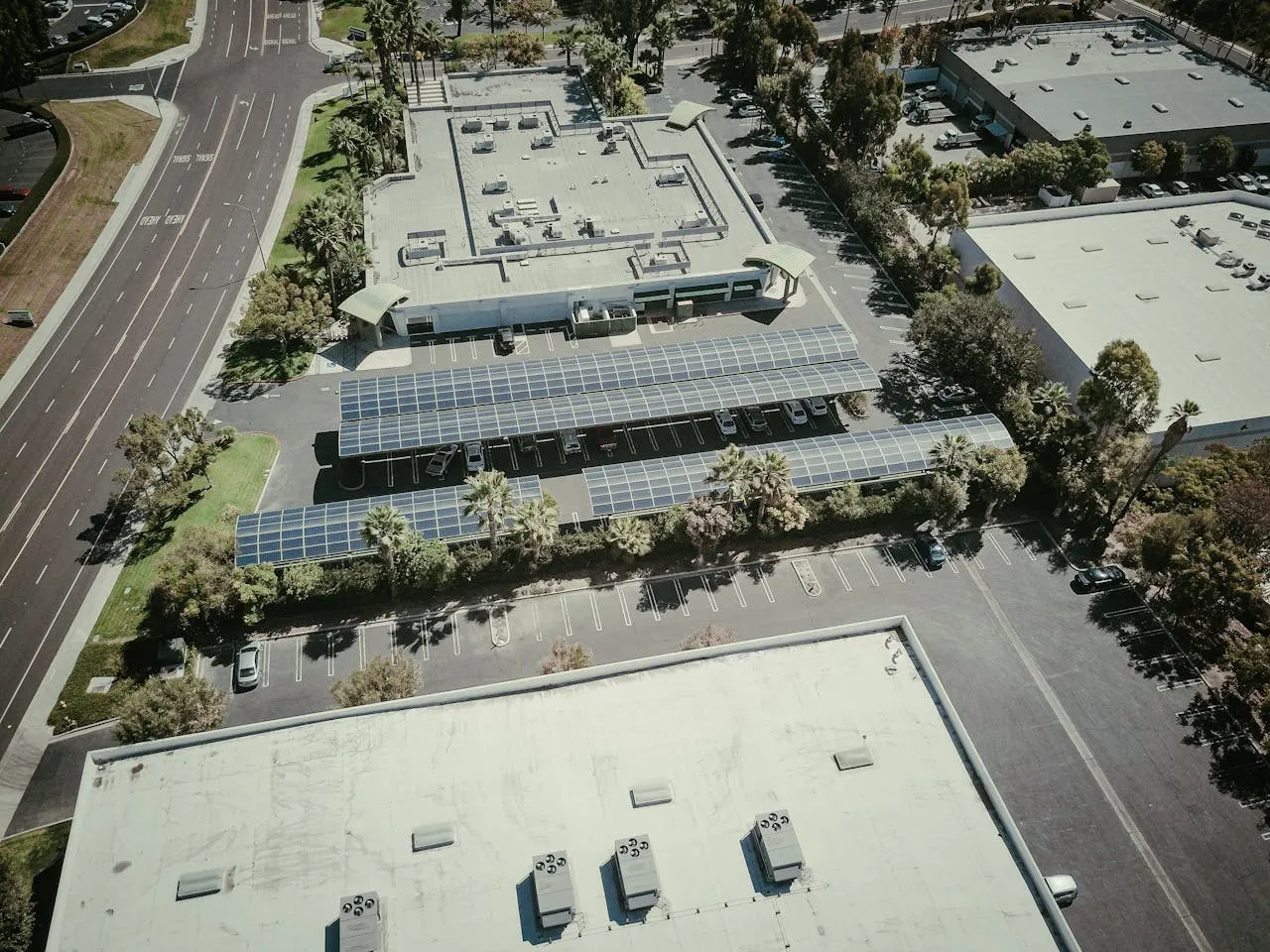
The Solect Energy Property Checklist evaluates several physical and electrical factors that determine whether a site can support a solar installation. It applies to a range of property types, including rooftops, parking lots, and ground-mounted sites. Key criteria addressed in the checklist include:
Solar systems require sufficient area to generate meaningful energy savings and returns. The checklist helps property owners quantify available square footage, considering shading, obstructions, and optimal orientation for maximum solar exposure. This ensures that space constraints do not compromise system efficiency.
For rooftop solar installations, the condition of the roof and its remaining useful life are critical. Solect’s checklist guides evaluating whether a roof can support solar panels for decades without requiring major repairs. Factors such as roof age, material type, and structural integrity are considered to avoid unexpected costs down the line.
Beyond surface area, the structural capacity of a roof or other supporting structure is a crucial determinant. The checklist guides owners in assessing whether their building can safely bear the weight of solar panels and associated equipment, including racking, inverters, and, if applicable, energy storage systems.
Solar projects typically require long-term site stability to ensure investment returns. Solect’s checklist emphasizes the importance of evaluating lease agreements, property ownership, and other forms of site control. Owners with clear, long-term rights to their property are better positioned to maximize project benefits and mitigate risks.
In some cases, integrating energy storage solutions such as batteries can improve the economic performance of a solar project. The checklist identifies scenarios where storage may be advantageous, helping property owners plan for future energy resilience and cost management.
“For commercial property owners, site readiness and timing are connected,” said Matt Shortsleeve, SVP of Policy & Marketing at Solect Energy. “With the federal Investment Tax Credit sunsetting, projects that can move forward using safe-harbor equipment can preserve significantly more value. That makes early site evaluation a critical step for owners considering solar site leases or long-term energy investments.”
This underscores a key principle in commercial solar planning: acting early can significantly impact financial outcomes. Federal incentives, financing opportunities, and energy market conditions all shift over time, meaning that sites evaluated and prepared now are more likely to capture optimal returns. The checklist serves as a practical tool for property owners to initiate that process efficiently.
By leveraging the Property Checklist, commercial property owners gain several advantages:
While the Property Checklist provides a useful starting point, Solect Energy emphasizes that it is just the first step in a comprehensive solar planning process. The company works closely with property owners to conduct detailed site reviews, evaluate potential development pathways, and develop strategies that align with long-term asset management and capital planning goals.
This includes:
By combining a high-level readiness checklist with in-depth professional support, Solect Energy empowers commercial property owners to make informed decisions about adopting solar energy as part of their sustainability and energy management strategies.
Connecticut’s commercial property sector is increasingly exploring renewable energy solutions to reduce operating costs and meet sustainability goals. Solar energy offers predictable energy savings, resilience against utility rate increases, and opportunities to leverage federal and state incentives.
The Property Checklist provides a clear, actionable framework for owners to understand how their specific assets—whether rooftops, parking lots, or open land—can participate in the growing solar market. By identifying strengths and potential obstacles early, property owners can plan strategically, mitigate risks, and maximize the benefits of long-term solar investments.
About Solect Energy
Founded in 2009 and headquartered in Hopkinton, MA, Solect Energy is a nonresidential solar and energy storage developer and integrator serving the Northeast and Mid-Atlantic. A Pattern Energy company, Solect provides comprehensive services spanning design, development, installation, financing, and asset and fleet management, including operations and maintenance.
SOURCE LINK: https://www.businesswire.com/