Located between the Touba 2 and Linguère power stations in Senegal, the remote village of Pampi is more than an hour’s drive from both facilities. This isolation has long affected the community’s access to essential services, particularly education. For years, the village’s only primary school had deteriorated significantly. The building lacked basic utilities such as water and electricity, and structural issues—including subsidence in the foundations and visible cracks in the walls—posed safety risks. Ultimately, these concerns forced the prefecture to close one of the school’s two functioning classrooms, making the situation even more difficult for the children and teachers who relied on the facility.
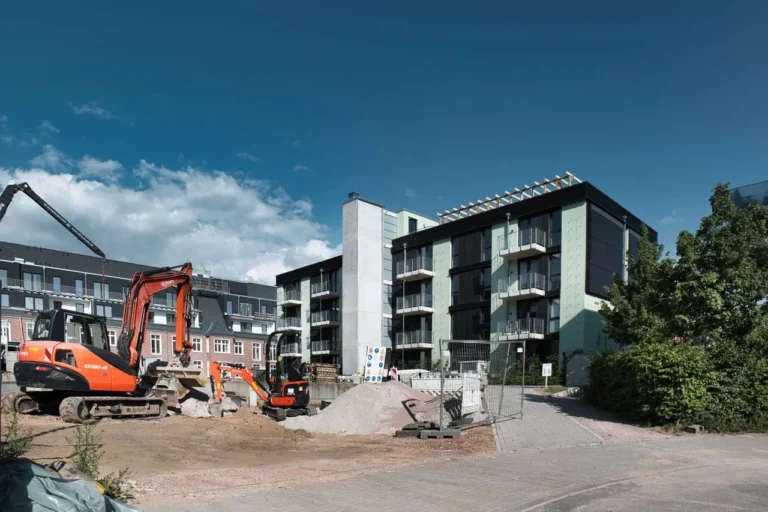
Faced with these challenges, Eiffage Énergie Systèmes, working alongside Senelec and local partners, committed to rebuilding the school as part of a broader effort to support local communities connected to its infrastructure projects. “We decided to construct a completely new school building opposite the existing structure, allowing classes to continue during the work,” explains Pauline Woiselle, Head of Quality, Prevention, and Environment. “The original building will be demolished only after the new one is fully operational, and this will take place during school holidays to avoid disrupting the students.” The project began in January 2025, shortly after the completion of the Ferlo Loop road project, which had improved regional access.
The village’s new school was designed with comfort, durability, and sustainability in mind. Eiffage Énergie Systèmes coordinated the effort by reaching out to local partners and subcontractors who had previously worked on the Ferlo Loop construction site. Many of these companies expressed a willingness to contribute either services or materials, making the initiative a collaborative effort rooted in shared responsibility for community development.
“Soil studies and architectural plans were prepared by our engineering partners, and several subcontractors specializing in civil engineering, painting, and electrical installations joined the project,” says Stephen Grassagliata, co-project manager. The building was designed to provide more space and improved learning conditions. It now houses three classrooms measuring 35 square meters each, in addition to a larger 63-square-meter classroom intended for group activities or larger class sizes. The new infrastructure also includes an administrative office and a dedicated storage room, ensuring the school can operate efficiently and securely.

One of the project’s most impactful elements was the installation of renewable energy systems. “One of our partner companies contributed solar panels, inverters, and batteries to power the lighting as well as two fans in each classroom,” Grassagliata adds. This solar-powered solution provides a stable and sustainable source of electricity—critical in a rural area where access to the national grid remains difficult. To address sanitation needs, the teams constructed new facilities consisting of four toilets and two sinks, which are connected to a well already present in the village. These amenities significantly improve hygiene conditions for pupils and staff.
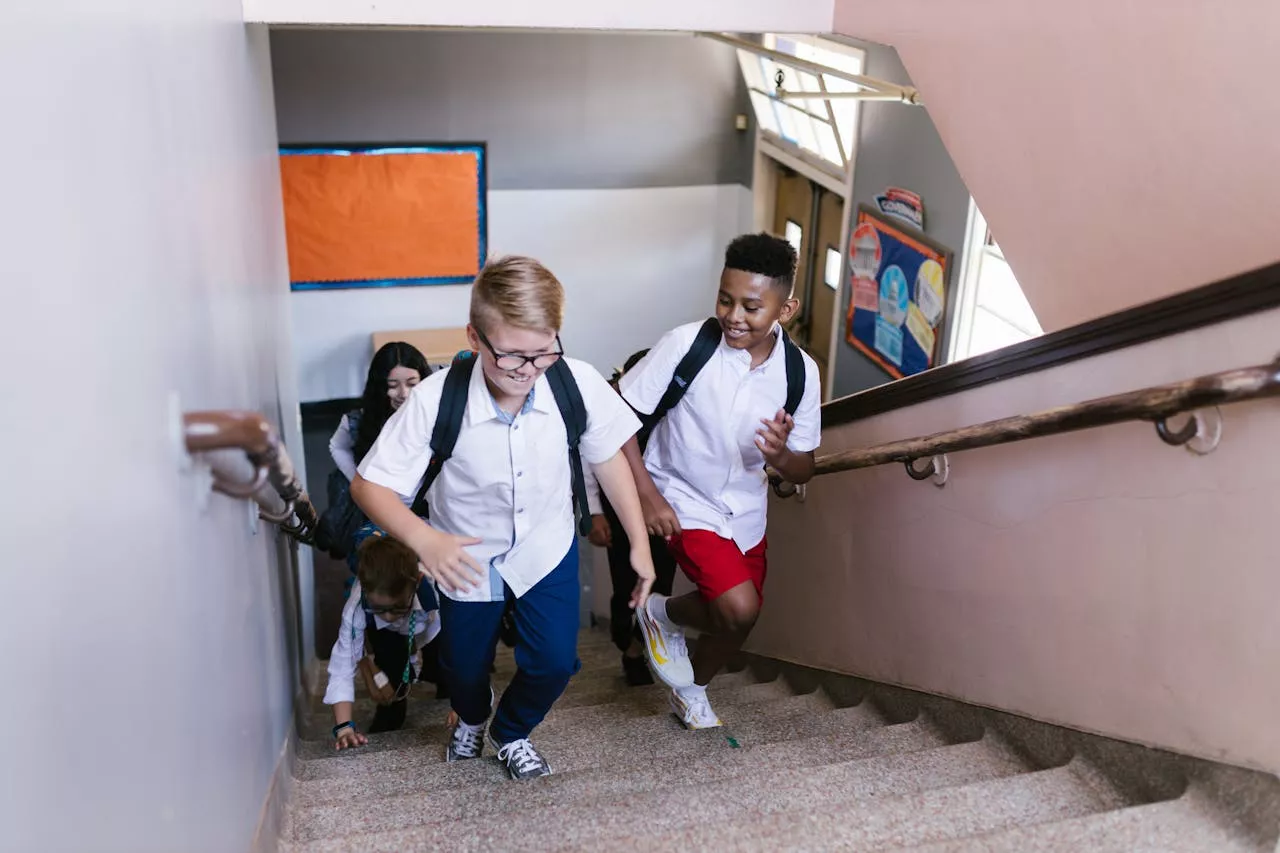
The new school was officially inaugurated on October 14th. The ceremony brought together students, parents, local authorities, and project contributors to celebrate the successful completion of the initiative. To mark the occasion, textbooks, notebooks, and other school supplies collected in France by employees of the Eiffage Énergie Systèmes Branch were distributed to the students. These materials not only supported the school’s reopening but also reinforced the sense of connection between the company’s teams in France and the local community in Senegal.
However, the construction of the school was only one component of a broader series of community engagement activities. “In addition to distributing school supplies, we have taken part in other initiatives, such as donating agricultural equipment—grain mills, ovens, and similar tools—to women’s cooperatives,” explains Pauline Woiselle. These contributions are intended to ease daily labor demands, increase productivity, and provide economic support for local women who play a central role in community livelihoods. Moreover, sports equipment, particularly football gear, was donated to young people in surrounding communities with the goal of strengthening social ties and encouraging recreational development.
The rebuilding of the Pampi primary school represents more than a construction project—it stands as a practical demonstration of Eiffage Énergie Systèmes’ commitment to Corporate Social Responsibility (CSR). By partnering with local organizations, subcontractors, and suppliers, the Branch was able to extend the positive impact of its work beyond its core industrial and energy activities. This collaborative model ensures that the benefits of infrastructure development also translate into tangible improvements in education, community welfare, and long-term sustainability.
The initiative exemplifies how companies can support the communities in which they operate by responding directly to local needs and fostering shared engagement. It also highlights the power of collective action: each contributor—whether offering engineering expertise, construction labor, classroom equipment, or renewable energy solutions—played a part in creating a safer and more dignified learning environment for the children of Pampi.
As Eiffage Énergie Systèmes continues its work across Senegal and other regions, the Pampi school project serves as a benchmark for responsible, inclusive, and community-centered development. The Branch’s commitment remains clear: to act not only as a builder of infrastructure, but as a trusted partner working alongside local populations to support long-term social progress.